


Industrial and professional Thermal cameras
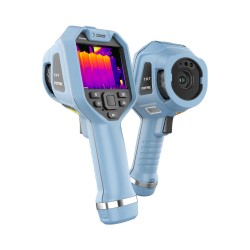
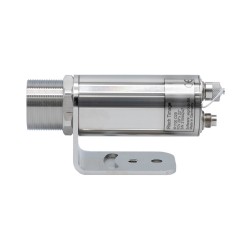
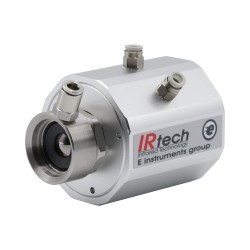
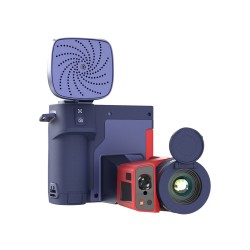
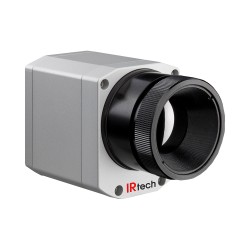
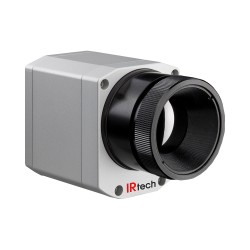
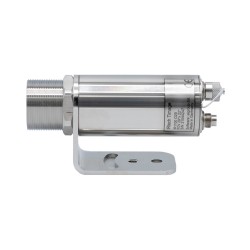
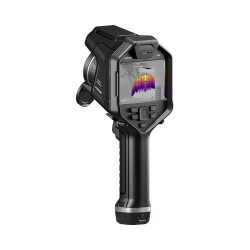
Our selection of Industrial and Professional Thermal Cameras offers cutting-edge instruments for thermal measurement needs in various industrial environments. Featuring high precision, durability, and ease of use, our thermal cameras are ideal for applications in sectors such as maintenance, building inspection, energy monitoring, process monitoring, and much more. With a focus on innovative technology, we offer customized solutions to ensure optimal measurement results. Explore our range to find the perfect thermal camera for your professional needs.








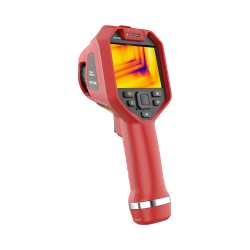
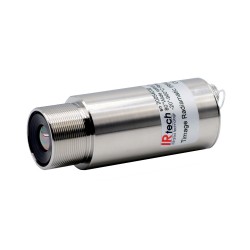
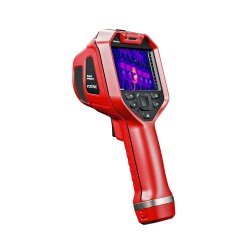
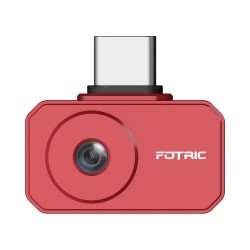
Technical FAQ:
Industrial and professional Thermal cameras
What is a professional thermal camera?
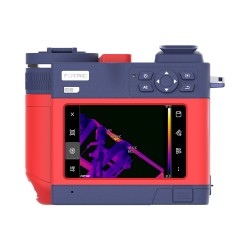
A professional thermal camera is a device that measures temperature without direct contact and converts heat into a thermal image. It is used to detect overheating, heat loss, anomalies, and potential failures that are not visible to the naked eye.
What is the difference between a professional thermal camera and an industrial thermal camera?
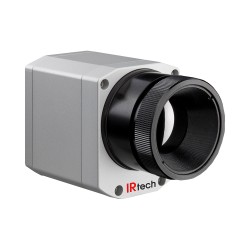
A professional thermal camera is designed for technical inspections and maintenance activities across different sectors. An industrial thermal camera is developed for more demanding, continuous, or process-integrated industrial applications.
When should you use a fixed thermal camera or a portable thermal camera?
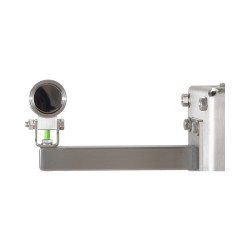
A portable thermal camera is ideal for periodic inspections and field maintenance activities. A fixed thermal camera is recommended for continuous monitoring of systems, machinery, electrical panels, batteries, or high-risk areas.
What is a professional thermal camera used for and in which sectors is it applied?
A professional thermal camera is used to detect thermal anomalies, prevent failures, and improve safety. It is widely used in industrial, electrical, HVAC, energy, automotive, pharmaceutical, food processing, and fire prevention applications.
What does thermal sensitivity (NETD) mean in a thermal imager?
The NETD (Noise Equivalent Temperature Difference) value indicates the minimum difference of temperature that the thermal imager can detect. The lower the NETD value, the greater it will be the instrument's ability to identify small thermal variations or hotspots. In industrial and maintenance applications, low thermal sensitivity is essential for detect anomalies before they cause breakdowns or fires.
How does a professional thermal imager help in predictive maintenance?
Professional thermal cameras allow you to detect thermal anomalies invisible to the eye naked, such as overheating, anomalous friction, energy dispersion or electrical connections defective. This allows you to intervene preventively before downtime occurs machine, damage to systems or risky conditions for safety.
Can thermal imaging cameras prevent fires in electrical panels?
Yes. One of the most widespread applications of industrial thermography is the monitoring of panels electrical. Loose connections, overloads, phase imbalances or deteriorated components generate an anomalous increase in temperature that can be identified promptly via thermal imaging camera, drastically reducing the risk of fire or downtime
plant.
How are thermal imaging cameras used in lithium ion battery monitoring?
Lithium batteries can develop thermal runaway phenomena, with sudden increases temperature that can cause fire or explosion. Professional thermal cameras they allow continuous monitoring of accumulators, energy storage systems and rooms batteries, identifying hotspots and anomalous thermal variations at an early stage.
How does emissivity affect thermographic measurement?
Emissivity represents the ability of a material to emit infrared radiation. Everything is fine surface has a different emission value and an incorrect setting could compromise it the precision of the thermal measurement. Shiny or reflective materials, such as polished metals, require particular attention during thermographic analysis.
What is the correct distance to make an accurate thermographic measurement?
The distance depends on the resolution of the IR sensor and the optics used. A distance excessive can reduce the number of pixels dedicated to the object to be analysed, compromising the accuracy of the measurement. For industrial applications it is important to evaluate the IFOV ratio of the thermal imaging camera.