


Multigas detectors
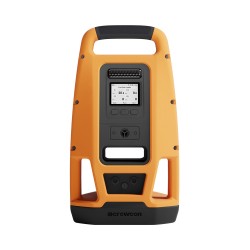
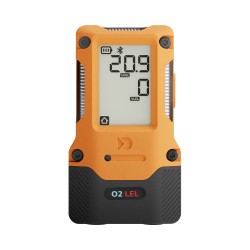
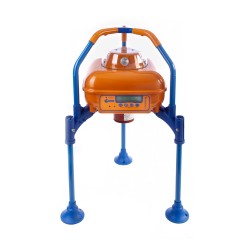
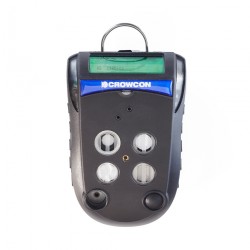
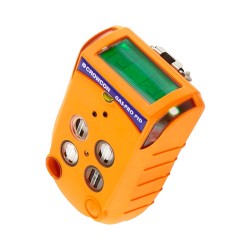
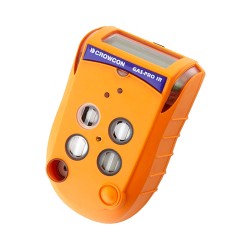
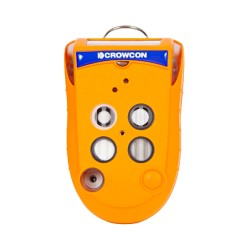
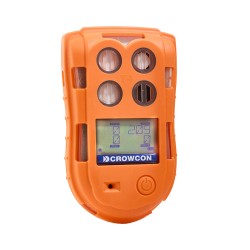
Our multigas detectors are indispensable tools for the simultaneous monitoring of toxic, flammable or explosive gases, offering a compact and advanced safety solution. These robust and reliable devices are designed for plants and processes, where the presence of numerous harmful gases is real. They provide precise detections and rapid reactions with visual and audible alarms, ensuring maximum operator protection and safety.

Technical FAQ:
Multigas detectors
What are multi-gas detectors?
Multi-gas detectors are instruments that integrate multiple sensors in a single device, allowing simultaneous measurement of different gases. The most common configuration is the 4-gas setup (O₂ + LEL + CO + H₂S), but 5-gas and 6-gas models are also available with additional sensors for VOCs (PID), CO₂ (NDIR), NH₃, Cl₂, SO₂, or refrigerant gases.
What are multi-gas detectors used for?
They are used to assess, simultaneously, the main risks associated with workplace atmospheres: oxygen deficiency or enrichment, presence of explosive gases, and toxic gases. They are mandatory for entry into confined spaces and widely used in petrochemical, sewage, maritime industries, and by fire brigades.
In which industries are multi-gas detectors used?
They are used in oil & gas, refineries, petrochemical and chemical plants, fire services and civil protection, wastewater and sewage systems, construction (underground works), maritime (holds and double bottoms), mining, tank and silo maintenance, and all activities requiring risk assessment before confined space entry (Italian Presidential Decree 177/2011).
How do multi-gas detectors work?
They operate using multiple sensors integrated into the same device, each dedicated to a specific gas: typically an electrochemical sensor for O₂, a catalytic (pellistor) or infrared sensor for LEL gases, and two electrochemical sensors for CO and H₂S. A microprocessor simultaneously processes all signals, compares them to alarm thresholds, and activates acoustic, visual, and vibration alerts.
What does a standard “4-gas” configuration measure?
The standard 4-gas configuration measures: O₂ (0–25% range, alarms at 19.5% and 23.5%), LEL explosive gases (0–100% LEL, alarms at 10% and 20%), CO (0–500 ppm, alarms at 25 and 50 ppm), and H₂S (0–100 ppm, alarms at 10 and 15 ppm). It covers the most common risks in industrial environments.
What is a PID sensor and when is it added to a multi-gas detector?
A PID (Photoionization Detector) measures VOCs (volatile organic compounds) such as benzene, toluene, xylene, aromatic hydrocarbons, and chlorinated solvents, with sensitivity in the ppb–ppm range. It is added as a 5th sensor when solvent vapors or poorly detected gases are suspected, or in industrial hygiene and chemical incident response applications.
Can multi-gas detectors be used for confined space entry?
Yes, they are the standard device required by DPR 177/2011 for pre-entry atmospheric testing and continuous monitoring during occupancy. They are typically used with a sampling pump to draw air from the confined space via tubing before entry.
Can sensors be replaced individually?
Yes. In professional models, each sensor is a modular component that can be replaced by the user or by an authorized service center, with automatic recognition by the device. This extends the product lifetime (by replacing only expired sensors) and allows reconfiguration of the multi-gas detector based on specific application needs.
What is the service life of sensors in a multi-gas detector?
Average service life is: O₂ sensor 1–2 years (continuous electrochemical consumption), CO and H₂S sensors 2–3 years, catalytic LEL sensor 3–5 years (shorter if exposed to inhibitors such as silicon, lead, or sulfur compounds), infrared LEL sensor 5+ years, and PID sensor 2–4 years depending on usage and exposure conditions.
What is “pellistor poisoning” and how can it be prevented?
The catalytic sensor (pellistor) used for LEL measurement can suffer permanent poisoning due to exposure to silicon-, lead-, sulfur-, phosphorus-containing compounds or siloxanes (silicones). It can be prevented by using infrared sensors in such environments, performing frequent bump tests, and regularly verifying sensitivity through calibration.
Can multi-gas detectors communicate with external systems (Bluetooth, cloud, IoT)?
Yes. The latest models integrate Bluetooth Low Energy, WiFi, and cloud connectivity for real-time sharing of exposure data with safety management software. They also include “man-down” features that automatically send alerts in case of fall, immobility, or panic events.
What is the maintenance cost of a multi-gas detector?
Main costs include calibration and bump test gas cylinders (reusable for hundreds of tests), periodic sensor replacement (every 2–5 years), and optional automatic docking stations for testing and data logging. Annual maintenance costs are estimated at 15–25% of the instrument price, a value fully justified by the importance of personal safety.