


Fixed thermal imaging cameras
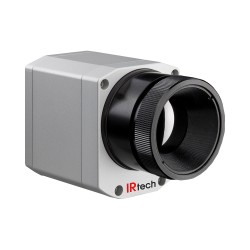
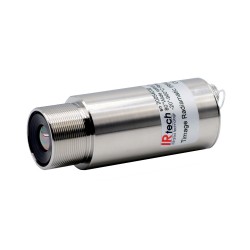
Fixed thermal cameras represent an ideal solution for non-contact infrared monitoring of the thermal process. Developed for industrial contexts, they offer high performance technologies, processing matrix data and converting them into infrared images. Fixed thermal imaging cameras are used in various environments and overcome the limitations of targeting when applications become demanding!



Technical FAQ:
Fixed thermal imaging cameras
What are fixed thermal imaging cameras?
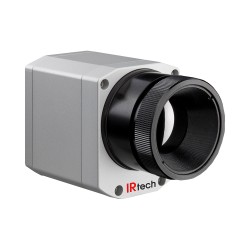
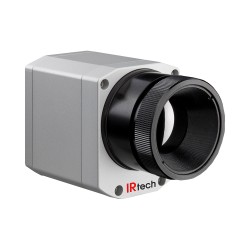
Fixed thermal imaging cameras are infrared temperature measurement systems designed for permanent installation on industrial plants. They allow continuous and real-time monitoring of thermal distribution on areas, processes or machinery.
When are fixed thermal cameras used?
Fixed thermal cameras are used when it is necessary to continuously monitor large areas or critical processes. They are ideal for quality control, failure prevention and real-time thermal monitoring.
What is the difference between fixed and portable thermal imaging camera?
The fixed thermal imaging camera is permanently installed and allows continuous monitoring, while the portable thermal imaging camera is used for manual inspections and spot checks. The fixed ones are designed for automation and process analysis.
In which sectors are fixed thermal imaging cameras used?
Fixed thermal imaging cameras find application in numerous industrial sectors such as metallurgy, energy, glass, plastic, chemical and industrial safety. They are essential for the continuous control of high temperature or highly critical processes.
Can fixed thermal cameras be integrated into industrial systems?
Yes, fixed thermal cameras can be integrated with PLC, SCADA and industrial supervision software systems. They support various communication protocols such as Modbus and Ethernet/IP, allowing direct insertion into automation and control systems.
What does radiometric thermal imaging camera mean?
A radiometric thermal imaging camera is an instrument capable of measuring the temperature of each individual pixel of the thermal image. This allows you to obtain a complete and precise map of the thermal distribution over the entire observed scene.
What benefits do fixed thermal imaging cameras offer?
Fixed thermal imaging cameras offer continuous monitoring, area-wide thermal analysis and the ability to detect anomalies in real time. They are fundamental tools for improving quality control, reducing machine downtime and increasing plant safety.
Can fixed thermal imaging cameras detect thermal anomalies?
Yes, they can detect hotspots, overheating and anomalous thermal variations before they turn into failures or process interruptions. This makes them key tools in predictive maintenance.
Do fixed thermal imaging cameras require maintenance?
Yes, but it is minimal maintenance. Periodic cleaning of the lens and checking the correct functioning of the system is recommended to maintain precision and reliability over time.
Do fixed thermal imaging cameras work in harsh industrial environments?
Yes, they are designed to operate in harsh environments with high temperatures, dust, fumes and vibrations. In these contexts they can be installed with protective cases and cooling systems to ensure operational continuity.
When is it useful to use a fixed thermal imager compared to other IR instruments?
It is particularly useful when it is necessary to continuously monitor large areas or critical processes where a precise measurement is not sufficient. Fixed thermal imaging cameras represent the ideal solution for industrial automation and advanced process control.