


Digital Atex cameras
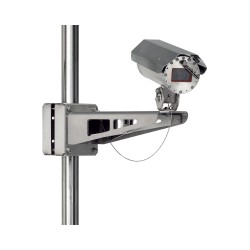
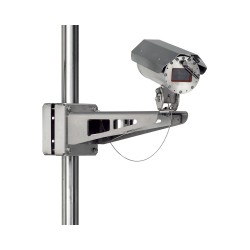
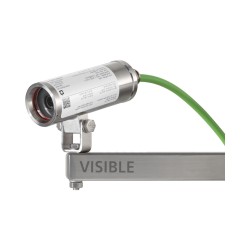
Our Atex digital cameras are designed to offer safety and monitoring in environments classified as at risk of explosion. These digital cameras provide high definition images, allowing detailed, real-time monitoring of operating conditions. Equipped with features such as encrypted data transmission and integration with centralized management systems, our devices are vital for preventing accidents and managing emergencies effectively, in various types of systems.



Technical FAQ:
Digital Atex cameras
What is an ATEX digital camera?
It is an IP video surveillance camera (digital, on Ethernet network) certified ATEX/IECEx for use in potentially explosive atmospheres. It combines the advantages of IP technology (high resolution, video analytics, remote management) with the safety needs of industrial sites at risk.
What is an ATEX digital camera used for?
It is used for advanced monitoring of explosion-risk plant areas, with remote access via VMS, recording on centralized NVRs, integration with corporate security systems (DCS, SCADA, BMS) and video analytics functions (perimeter detection, motion detection, artificial intelligence).
In which sectors is an ATEX digital camera used?
It is used in oil & gas, offshore platforms, refineries, petrochemical, chemical, LPG depots, terminals and tank farms, transformation plants, pharmaceutical sector in solvent areas, distilleries, and in all ATEX-classified sites where modern video surveillance integrated with IT systems is needed.
What is the difference between an ATEX digital camera and an ATEX analog one?
The digital IP offers higher resolutions (4K-8K), native AI video analytics, advanced VMS integration, network scalability, cloud remote management and IT security protocols. The ATEX analog is simpler, more economical, compatible with existing DVRs, but with lower resolution and functionality.
What resolutions do ATEX digital cameras reach?
Typical resolutions are 2 MP (1080p), 4 MP, 5 MP, 8 MP (4K UHD) and in premium models 12 MP or multi-sensor panoramic with 180°/360° vision. Resolution is combined with efficient codecs (H.265+, H.264+) to reduce bandwidth and storage consumption.
Which network protocols do ATEX digital cameras use?
The standard is TCP/IP on Ethernet with ONVIF compliance for interoperability with NVR/VMS from different manufacturers. Transmission uses H.264, H.265 and H.265+ codecs. Many cameras also support PoE (Power over Ethernet) for power supply over data cable.
What are the integrated AI video analytics functions?
Modern IP cameras integrate deep learning algorithms for detection of people, vehicles, abandoned objects, virtual line crossing, people counting, smoke or fire detection, anomalous behaviors. They drastically reduce false alarms typical of
traditional video analytics.
Which ATEX protection methods do they adopt?
The most widespread are Ex d (flameproof in AISI 316L stainless steel housing), Ex e (increased safety) and Ex p (internal overpressure). They include Ex-certified cable glands, impact-resistant reinforced glass and — for corrosive environments — special polymer coatings or epoxy coatings resistant to chemical agents.
Can ATEX digital cameras integrate with corporate VMS systems?
Yes, thanks to ONVIF compliance and proprietary SDKs, they integrate with the main VMS (Video Management Software) on the market such as Milestone, Genetec, Avigilon, Hanwha, Axis, Bosch, supporting recording, analysis, access control and integration with physical security systems.
Are ATEX digital cameras compatible with cybersecurity?
Professional models implement TLS encryption, 802.1X authentication, digital certificates, secure boot, signed firmware updates and compliance with standards such as IEC 62443 for industrial cybersecurity. They significantly reduce the risk of
network attacks on cameras.
Which optics do ATEX digital cameras support?
Fixed optics for dedicated framing, adjustable varifocal, motorized remotely controllable, and PTZ with panoramic movement, tilt and optical zoom (up to 30x-40x). There are also panoramic fish-eye optics at 360° for complete vision of large areas.
How important is the temperature range?
ATEX cameras for outdoor applications must operate in extended ranges typically from -40 °C to +65/+75 °C, with internal heaters for cold start and fans for applications in hot climates. Always verify the temperature class T3-T6 in relation to the ignition temperature of the present gas.