


Portable gas and multi-gas detectors
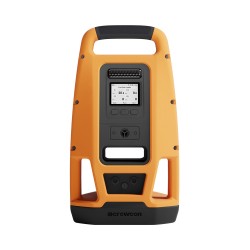
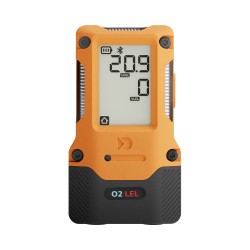
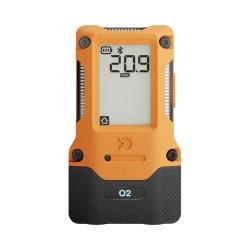
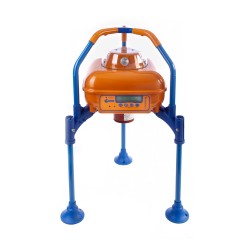
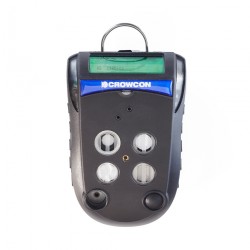
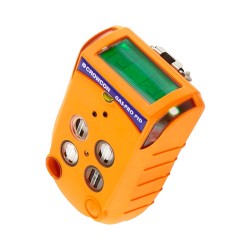
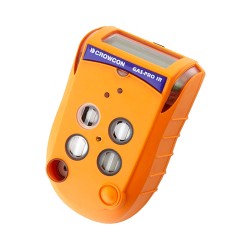
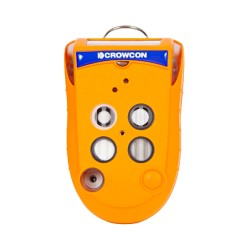
Our portable gas and multi-gas detectors offer a reliable solution for gas monitoring in workplaces. Lightweight, compact and easy to use, these devices are ideal for operators who need protection in risky environments. Capable of detecting a wide range of toxic, flammable and explosive gases, to ensure maximum safety at work! Our detectors are equipped with audible and visual alarms, to immediately warn you of dangerous levels or concentrations.

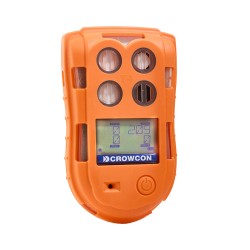
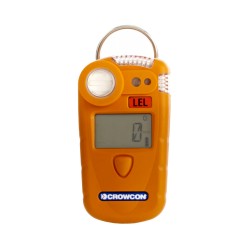
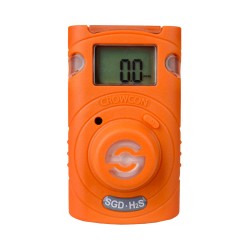
Technical FAQ:
Portable gas and multi-gas detectors
What is a portable gas detector?
A portable gas detector is a gas detection instrument designed to be worn or carried by workers during their daily activities. Compact, lightweight, and battery-powered, it provides real-time personal protection by immediately alerting the user to the presence of hazardous gases or unsafe oxygen levels through audible, visual, and vibration alarms.
What is a portable multi-gas detector used for?
A portable multi-gas detector is used to protect workers from the combined risks posed by multiple hazardous gases, particularly in confined spaces or industrial areas where atmospheric conditions may change rapidly. The standard 4-gas configuration (O₂, LEL, CO, and H₂S) covers the most common industrial gas hazards.
When should a portable multi-gas detector be used instead of a fixed gas detector?
A portable gas detector is the preferred solution for mobile workers, confined-space entry, maintenance activities, inspections, sewer work, tank inspections, and any situation where the risk is directly related to the operator's location. A fixed gas detector, on the other hand, is designed for continuous monitoring of specific areas such as compressor rooms, technical facilities, or defined plant zones.
In which industries are portable multi-gas detectors used?
Portable multi-gas detectors are widely used in refineries, petrochemical plants, oil & gas facilities, water and wastewater treatment, firefighting and emergency response, mining, construction, maritime applications, confined-space operations (silos, tanks, tunnels), inspection services, and any activity classified as high-risk for gas exposure under occupational safety regulations.
What is a confined space and which gas detector should be used?
A confined space is an area with restricted access that is not intended for continuous occupancy and where hazardous gases or oxygen deficiency may occur. For confined-space entry, a portable 4-gas detector is typically required. Atmospheric testing should be performed before entry, followed by continuous gas monitoring throughout the operation to ensure worker safety.
What is the typical battery life of a portable gas detector?
The typical battery life ranges from 10 to 24 hours using rechargeable lithium-ion batteries, allowing operation throughout a full work shift. Diffusion-type detectors generally offer longer battery life than pumped models because they consume less power.
What is the difference between diffusion and pumped sampling modes?
In diffusion mode, gas reaches the sensors naturally through the surrounding air. This is the most common configuration for personal protection because it is lightweight, simple, and energy-efficient. In pumped sampling mode, an internal or external pump actively draws air from a remote location. This method is particularly useful for pre-entry testing of confined spaces, sampling from pipelines, tanks, or other hard-to-reach areas before personnel enter the area.
What is a bump test and why should it be performed daily?
A bump test is a functional check performed to verify that the detector's sensors respond correctly and that all alarms activate properly when exposed to a known concentration of gas. According to EN 60079-29-2, bump tests should be carried out before use or on a daily basis and properly documented. Many professional portable gas detectors can be paired with automated docking stations that perform and record bump tests without operator intervention.
Are portable gas detectors ATEX certified?
Yes. Professional portable gas detectors are typically certified to ATEX and IECEx standards, commonly with an Ex ia IIC T4 intrinsic safety rating, making them suitable for use in Zone 0, Zone 1, and Zone 2 hazardous areas. This certification ensures that the instrument can be safely used in potentially explosive atmospheres without becoming an ignition source.
What are the typical alarm thresholds for gases?
Alarm thresholds are generally based on occupational exposure limits, including TWA (Time-Weighted Average), STEL (Short-Term Exposure Limit), and instantaneous alarm levels. Typical values include: CO: 25–50 ppm, H₂S: 10–15 ppm, O₂: 19.5% (low alarm) and 23.5% (high alarm), Combustible gases: 10% LEL (Alarm 1) and 20% LEL (Alarm 2). Actual alarm settings may vary depending on regulations, site requirements, and risk assessments.
Can data from a portable gas detector be downloaded?
Yes. Professional portable gas detectors include internal memory that records gas exposure data, alarm events, calibration records, bump tests, and diagnostic information. Data can typically be downloaded via USB, Bluetooth, or dedicated docking stations, allowing users to generate reports for safety documentation, compliance audits, and worker exposure analysis.
How often should gas detector sensors be replaced?
Sensor life depends on the sensing technology and operating conditions: CO and H₂S electrochemical sensors: typically 2–3 years, O₂ sensors: typically 1–2 years, Catalytic LEL sensors: typically 3–5 years, Infrared (NDIR) and PID sensors: often 5 years or more, Preventive sensor replacement is generally more cost-effective than the risk of undetected gas hazards, particularly in critical safety applications.