


Analog cameras
Our analog cameras offer a reliable and long-lasting solution for space monitoring and security. With the ability to operate in a wide range of environmental conditions, these cameras are perfect for those looking for consistent video coverage. They are particularly suitable for applications requiring uninterrupted surveillance; They are easy to install and maintain, our analog cameras guarantee quality images.
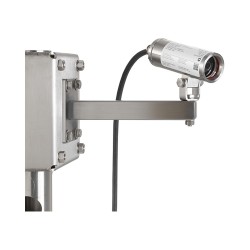

Technical FAQ:
Analog cameras
What is an analog camera?
It is a video surveillance camera that transmits the video signal in analog format via coaxial cable to a DVR (Digital Video Recorder) that digitizes and records it. Current HD-CVI, HD-TVI and AHD technologies allow resolutions up to Full HD and 4K on existing coaxial cable.
What is an analog camera used for?
It is used for video monitoring of industrial and civil areas where pre-existing coaxial infrastructure is already present, where Ethernet network is not available, or where the simplicity of installation and maintenance is preferred over the advanced functionalities of IP cameras.
In which sectors is an analog camera used?
It is used in existing industrial and civil video surveillance installations, maintenance/ expansion of historical systems, standard security applications in factories, warehouses, parking lots, commercial establishments and in all contexts where advanced video analytics functions are not a priority.
What is the difference between an analog camera and a digital camera?
The analog one is simple, economical, compatible with existing DVRs, but has limited resolution and functionality. The digital IP requires network infrastructure, offers higher resolutions (4K-8K), AI video analytics functions, VMS integration, remote management and superior scalability.
Which analog technologies exist?
The main ones are CVBS (traditional analog, up to PAL/NTSC 700 TVL), HD-CVI (Dahua), HD-TVI (Hikvision), AHD (Analog HD) - these last three with resolutions up to 4K via coaxial cable, ensuring upgrade of existing systems without replacing the wiring.
What are the advantages of analog cameras over IP ones?
Lower unit cost, simpler infrastructure, no dependency on the IT network, immunity to cyberattacks, reuse of pre-existing coaxial wiring, easier maintenance, zero latency. They are ideal for upgrading historical systems and for small-medium installations where advanced functions are not required.
What are the limits of analog cameras?
Lower resolution (although HD-CVI/TVI/AHD formats have closed the gap), absence of advanced video analytics, limited integration with VMS software, more complex scalability on large numbers, absence of native cloud functions and less flexible remote management compared to IP.
Can analog cameras coexist with IP cameras?
Yes, there are hybrid DVRs (also called "tribrid" or "pentabrid") that simultaneously manage traditional analog cameras, HD-CVI/TVI/AHD and IP cameras, allowing a gradual migration of the installed base without having to replace everything at once.
What maximum resolution do analog cameras offer?
Analog HD technologies reach 2 MP (1080p Full HD), 5 MP and up to 8 MP (4K UHD) with HD-CVI 4.0 and HD-TVI 5.0, maintaining transmission on RG-59/RG-6 coaxial cable up to 500-700 meters without the need for amplifiers.
Are analog cameras still current in 2026?
Yes, they remain a technically valid and widespread choice for small-medium scale projects, upgrades of existing systems and applications where simplicity is a priority. For new large-scale projects and with AI/cloud needs, IP cameras are the dominant
choice.
Can analog cameras be used in ATEX zones?
Yes, there are ATEX analog versions certified for potentially explosive atmospheres, ideal for upgrading petrochemical plants, refineries and oil & gas sites with preexisting analog technology.
What type of cable do analog cameras require?
RG-59 or RG-6 coaxial cable for lengths up to 300-500 meters, with possible combo coax cable + 12 V power supply (Siamese). For greater distances, amplifiers or UTP converters are used for transmission on telephone twisted pair via balun, up to 1000 meters.