


Pressure Calibrators
Our selection of Pressure Calibrators offers a range of high-quality instruments designed to ensure precise and reliable calibrations in various industrial settings. Our calibrators are easy to use and robust, ideal for laboratories, production plants, and field applications. With a wide range of features and specifications, we're confident we have the perfect calibrator to meet your needs. Trust us for pressure calibration instruments that combine precision, durability, and technological innovation.






Technical FAQ:
Pressure Calibrators
What is a pressure calibrator?
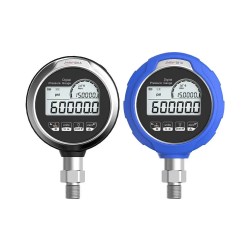
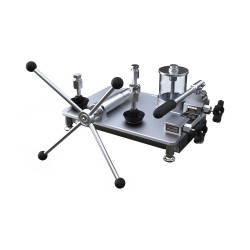
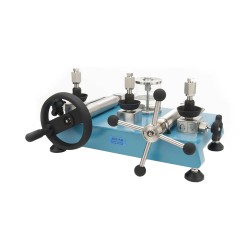
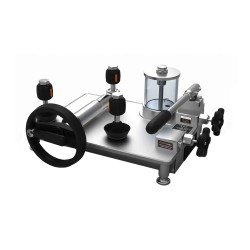
A pressure calibrator is an instrument used to generate, measure or verify a known pressure value, with the aim of checking the accuracy of pressure gauges, transmitters, pressure switches, sensors and other measuring devices. It is used both in the laboratory and in the field to ensure reliable, repeatable measurements that comply with process requirements.
What is the difference between a pneumatic and a hydraulic pressure calibrator?
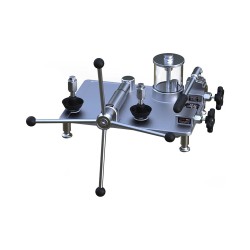
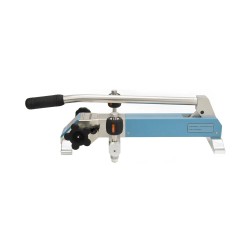
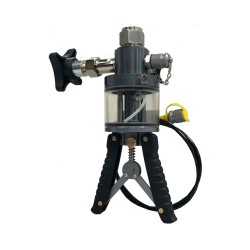
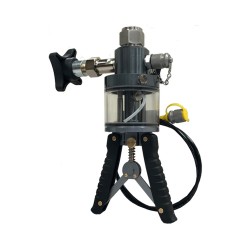
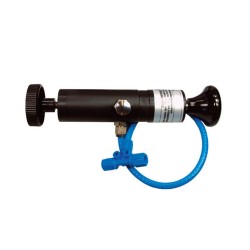
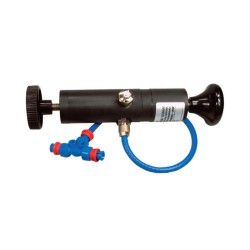
A pneumatic calibrator uses air or gas as the pressure generating medium and is suitable for low and medium pressures, as well as vacuum applications. A hydraulic calibrator instead uses liquids, such as oil or water, and is suitable for higher pressures. The choice depends on the pressure range, the fluid compatible with the instrument to be calibrated and the operating environment.
When to choose an automatic pressure calibrator?
An automatic pressure calibrator is ideal when it is necessary to perform many calibrations, reduce manual operator intervention and improve the repeatability of procedures. These tools allow pressure to be generated and controlled automatically, reducing human errors and optimizing work times, especially in laboratories, production, quality control and regulated sectors.
What are clamp pressure calibrators used for?
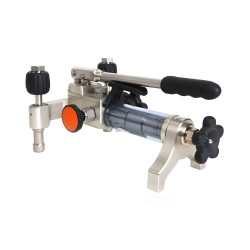
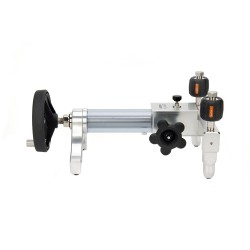
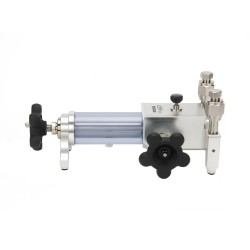
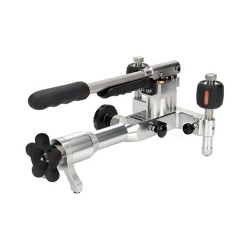
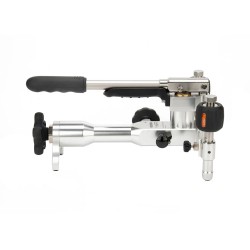
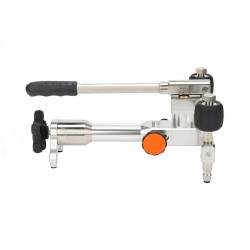
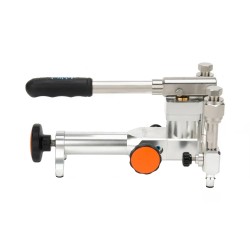
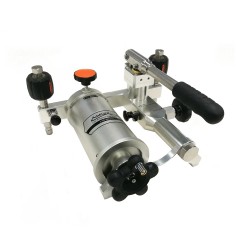
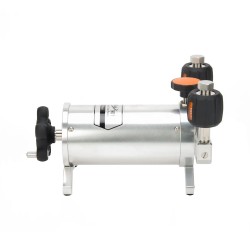
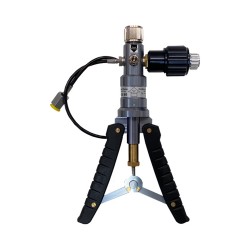
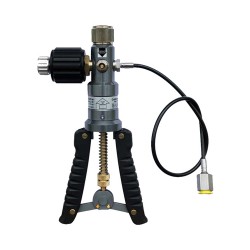
Clamp pressure calibrators are compact hand-held instruments designed to generate pressure quickly, stably and in a controlled manner. They are particularly suitable for field activities, where portability, robustness and ease of use are needed. They are used to calibrate pressure gauges, pressure switches, transmitters and pressure sensors directly on the system or during maintenance.
What are primary weight benchtop pressure calibrators?
Primary weight benchtop calibrators are reference metrology instruments used to generate highly accurate pressures via the dead weight principle. They are mainly used in metrological laboratories and calibration centers, where maximum accuracy and traceability of the measurement is required. They are ideal for high-level checks on sample instruments and critical devices.
What is the role of pressure gauges in pressure calibration?
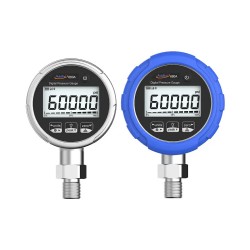
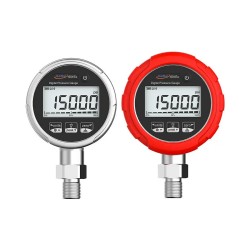
Pressure gauges are used to measure pressure and can be both test instruments and working references, depending on their accuracy. In calibration processes, a sample pressure gauge allows you to compare the value generated with that measured by the instrument under test, verifying any deviations and compliance with the required tolerances.
What are external sensors in pressure calibrators for?
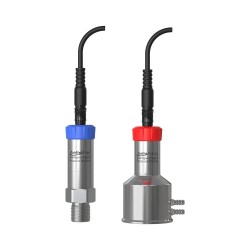
External sensors allow you to extend the measurement range of a pressure calibrator and increase the flexibility of the instrument. They can be connected to compatible calibrators to measure different pressure ranges with a single main device. They are useful when working on different applications, with very different pressures or when it is necessary to maintain high accuracy over multiple measurement ranges.
What is the difference between accuracy, precision and stability in a pressure calibrator?
Accuracy indicates how close the measured or generated value is to the actual value. Precision concerns the repeatability of measurements, i.e. the ability of the instrument to provide consistent results under similar conditions. Stability, on the other hand, indicates the calibrator's ability to maintain a constant pressure value over time. All three parameters are critical for reliable calibrations.
When should you use pressure calibrator software?
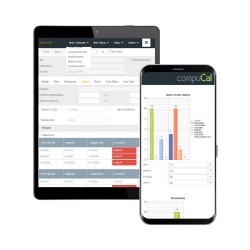
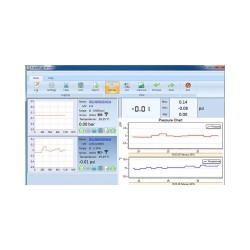
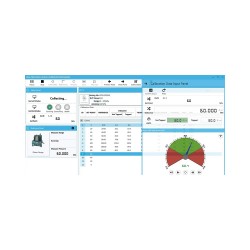
Pressure calibrator software is useful when you need to manage calibration procedures, automate test sequences, store data, generate reports or certificates, and reduce the risk of manual errors. It is particularly suitable for metrology laboratories, companies with many instruments to manage and companies that must rigorously document calibration activities.
Which instruments can be calibrated with a pressure calibrator?
A pressure calibrator can be used to verify and calibrate pressure gauges, pressure transmitters, sensors, transducers, pressure switches, recorders, digital instruments and devices installed on industrial plants. Compatibility depends on the pressure range, type of connection, working fluid and required accuracy.
How to choose the most suitable pressure calibrator?
To choose the correct pressure calibrator it is necessary to consider the pressure range, the type of fluid, the required accuracy, use in the laboratory or in the field, portability, the need to generate vacuum, compatibility with external sensors and any software management of the calibrations. In complex applications it is also useful to evaluate process automation and report production.
Why is pressure calibration important in industrial processes?
Pressure calibration ensures that instruments installed on plants and processes provide correct and reliable measurements. An incorrect measurement can compromise product quality, system safety, energy efficiency and regulatory compliance. For this reason, periodic calibration of pressure instruments is essential in sectors such as industry, oil & gas, pharmaceutical, life sciences, OEM and maintenance.