


Detectors
Gas and Multi-Gas Detectors are essential for ensuring safety and precision in industrial and research environments. Our devices are designed to detect a wide range of gases, providing reliable solutions for air monitoring in various contexts. Easy to use, durable, and featuring advanced technology, these detectors are ideal for preventing risks and ensuring safe working environments. Here you will find gas detectors that combine innovation, reliability, and top detection performance.
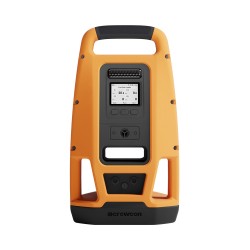

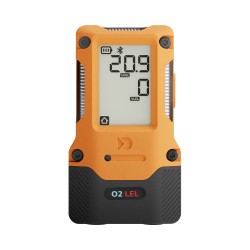
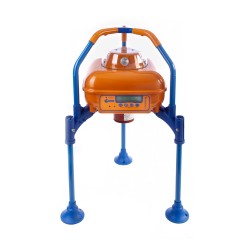
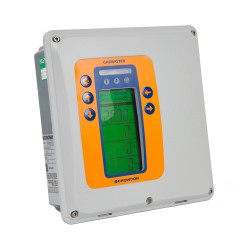
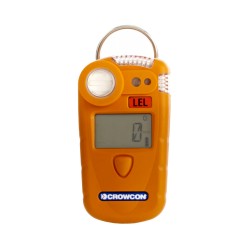
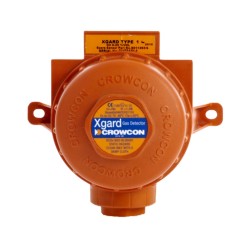
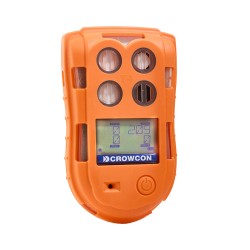
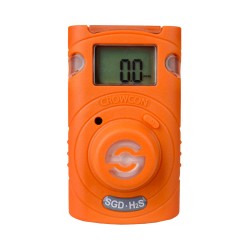
Technical FAQ:
Detectors
What is a Gas Detector and a Multi-Gas Detector?
Gas detectors are electronic instruments designed to measure the presence and concentration of hazardous gases in the air in real time, and to alert users when predefined safety thresholds are exceeded. They are generally divided into two main categories: single-gas detectors, which are designed to monitor one specific gas, and multi-gas detectors, which are capable of simultaneously monitoring multiple gases (typically four: O₂, combustible gases (LEL), CO, and H₂S).
What is a Gas Detector used for?
A gas detector is used to protect workers and industrial plants from the risks associated with the presence of toxic or explosive gases, as well as from dangerous variations in oxygen concentration. Learn more: Gas detection is essential for industrial safety and risk prevention.
In which sectors are gas and multi-gas detectors used?
Gas and multi-gas detectors are used in oil & gas, refineries, petrochemical and chemical industries, pharmaceuticals, food processing, metallurgy, water and wastewater treatment, industrial gases, energy production, maritime sector, mining, fire brigades, civil protection, laboratories, and in all workplaces regulated by occupational safety legislation (such as Italian Legislative Decree 81/2008 on health and safety at work).
What is the difference between a gas detector and a multi-gas detector?
A single-gas detector measures only one specific gas and is typically compact, cost-effective, and suitable for monitoring a single identified hazard. A multi-gas detector integrates multiple sensors into one device, allowing simultaneous monitoring of different gases and providing a more complete assessment of the environment. It is widely used—and often required—in high-risk operations such as confined space entry.
What does a gas detector measure?
Depending on the sensors installed, a gas detector can measure combustible gases (such as methane CH₄, LPG, hydrogen H₂, and solvent vapors), toxic gases (such as carbon monoxide CO, hydrogen sulfide H₂S, ammonia NH₃, chlorine Cl₂, and sulfur dioxide SO₂), oxygen levels (O₂), volatile organic compounds (VOCs), and refrigerant gases.
How does a gas detector work?
A gas detector works using one or more dedicated sensors, each designed to respond to a specific type of gas by generating an electrical signal proportional to its concentration. An onboard signal conditioning electronics processes this signal, compares it with preset alarm thresholds, and activates audible, visual, and vibration alarms when dangerous levels are detected. The main sensor technologies include catalytic bead (pellistor), electrochemical sensors, infrared (NDIR), photoionization detectors (PID), and semiconductor sensors.
What are the main types of gas sensors?
Catalytic bead (pellistor): used for detecting combustible gases (% LEL); Electrochemical: used for toxic gases (CO, H₂S, NH₃) and oxygen (O₂) monitoring; Infrared (NDIR): used for CO₂ and hydrocarbons at high concentrations; Photoionization detector (PID): used for VOCs and volatile organic compounds; MOS (metal oxide semiconductor): used for refrigerant gases and low-concentration detection. The choice depends on the target gas, measurement range, operating environment, and required selectivity.
What are the main reference standards?
The main standards include EN 60079-29 (equipment for detecting combustible gases), EN 45544 (toxic gas detection), EN 50104 (oxygen detectors), and EN 50271 (software requirements for gas detection systems). These are complemented by the ATEX Directive 2014/34/EU for use in explosive atmospheres and Italian Legislative Decree 81/2008 governing workplace health and safety.
What does LEL mean and why is it important?
LEL (Lower Explosive Limit) is the minimum concentration of a combustible gas in air below which the mixture is not explosive. Above this threshold, the air–gas mixture can become potentially explosive. Gas detectors typically express concentrations as a percentage of LEL (%LEL). Alarm thresholds are usually set well below the actual explosive limit—commonly around 10% LEL for the first alarm and 20% LEL for the second alarm—to ensure early warning and prevent hazardous conditions.
What is a bump test and how often should it be performed?
A bump test is a quick functional check in which the instrument is exposed to a known concentration of gas to verify that the sensors respond correctly and that the alarm systems activate properly. It should typically be performed before each use or at least on a daily basis, in accordance with EN 60079-29-2. A bump test does not replace periodic calibration.
What is the difference between a bump test and calibration?
A bump test only verifies functionality—confirming that the sensor responds and the alarm triggers. Calibration, on the other hand, compares the sensor response against a certified gas concentration and adjusts the instrument to ensure measurement accuracy over time. Calibration is typically required on a semi-annual or annual basis, depending on regulations and usage conditions.
Do gas detectors require ATEX certification?
Yes. All gas detectors used in potentially explosive atmospheres must be ATEX certified in Europe or IECEx certified internationally. They must also comply with the specific classification of the hazardous area (Zone 0, 1, 2 for gases and Zone 20, 21, 22 for dusts). For portable devices, the most common protection method is Ex ia (intrinsic safety).