Why gas detection is a central issue in industry
Industrial gas detection is now an essential element for ensuring safety in the workplace. In many production environments, the presence of toxic or flammable gases represents a real and often invisible hazard that cannot be managed by relying solely on human senses or occasional checks.
Chemical, energy and Oil & Gas industries, waste treatment plants and maintenance activities are just some of the sectors where the use of gas detectors is crucial. Even a minimal leak, if not identified in time, can quickly evolve into a critical situation, putting both operator safety and plant operational continuity at risk.
The issue becomes even more delicate when operating in confined spaces, where ventilation is limited and the accumulation of hazardous gases can occur rapidly and unpredictably. In these contexts, the use of portable gas detectors is essential to ensure adequate confined space safety levels.
Gas detection therefore enables a preventive approach based on continuous environmental monitoring through reliable gas sensors and instruments suited to the specific application. In particular, the use of multi-gas detectors and portable multi-gas detectors allows simultaneous detection of multiple gas types, providing comprehensive protection adaptable to different operating conditions.
For these reasons, gas detection is not just a technical measure, but a pillar of industrial safety, indispensable for effectively protecting people, facilities and production processes.
Toxic and flammable gases: an often invisible danger
One of the most insidious aspects of industrial gas detection is that many toxic and flammable gases cannot be perceived by human senses. Gases such as hydrogen sulfide (H₂S), carbon monoxide or certain combustible mixtures may be colorless, odorless, or present in dangerous concentrations without obvious warning signs, making the risk particularly high for operators.
In industrial environments, exposure to toxic gases can cause severe effects in a very short time, compromising health and, in the most critical cases, proving fatal. At the same time, the presence of flammable gases increases the risk of fires or explosions, especially in enclosed environments or near ignition sources.
For this reason, the use of reliable gas detectors is essential to ensure an adequate level of gas safety. These devices continuously monitor the work environment, promptly signaling hazardous concentrations before the situation becomes critical.
In particular, multi-gas detectors allow simultaneous detection of multiple gas types, providing more comprehensive protection in complex environments where risks are not linked to a single substance. Gas detection therefore becomes an essential tool for making a danger visible that would otherwise remain hidden.
Gas detection in confined spaces: risks and critical issues
Confined spaces represent one of the most critical scenarios from an industrial safety perspective. Tanks, silos, tunnels, manholes and pits are environments that favor the accumulation of hazardous gases and make rapid dispersion of harmful substances difficult.
In these contexts, gas detection in confined spaces is essential to prevent dangerous situations. The presence of toxic gases or oxygen-deficient atmospheres can develop quickly, often without visible warning signs, exposing operators to immediate risks during inspection or maintenance activities.
To ensure adequate confined space safety, personnel must be equipped with portable gas detectors capable of monitoring the atmosphere in real time during entry and occupancy. These instruments allow timely intervention if safety thresholds are exceeded, reducing exposure risk.
The use of portable multi-gas detectors equipped with specific gas sensors for different hazardous substances provides complete protection adaptable to varying operating conditions. In this way, gas detection becomes a key element for working safely even in the most critical environments, transforming a high-risk activity into a more controlled and aware operation.
Explosive risk zones and ATEX environments
Explosive risk zones, classified as ATEX environments, are areas where the presence of flammable gases can create potentially explosive atmospheres. In these contexts, even a small gas leak, if combined with an ignition source, can cause extremely serious consequences for people, equipment and facilities.
Industrial gas detection plays a central role in managing safety in ATEX environments. Continuously monitoring gas concentration makes it possible to promptly identify hazardous conditions and implement preventive measures before critical levels are reached. Without adequate monitoring, the risk of incidents increases significantly, especially during maintenance activities or during start-up and shutdown phases.
In these scenarios, it is essential to use gas detectors specifically designed to operate in explosive atmospheres. Multi-gas detectors allow simultaneous monitoring of multiple gas types, providing complete protection even in complex environments. The use of portable gas detectors also enables operators to monitor the atmosphere directly on site, adapting to different operating conditions.
Ensuring safety in ATEX environments therefore means adopting reliable solutions based on certified gas sensors and instruments suitable for the specific application. Gas detection thus becomes a key element in preventing explosions, protecting personnel and ensuring continuity of industrial operations.
The H₂S case: when an imperceptible leak becomes lethal
Hydrogen sulfide (H₂S) is one of the most dangerous toxic gases found in industrial environments. Characterized by a rotten-egg odor at low concentrations, it quickly becomes undetectable as concentration increases, effectively eliminating any possibility of human sensory detection.
This makes H₂S a clear example of how essential gas detection is for safety. Even a minimal leak can turn into a lethal situation within seconds, especially in enclosed or poorly ventilated environments. In such cases, relying solely on operator experience or awareness is not sufficient.
The danger associated with H₂S has recently been depicted in popular media, such as in scenes from the TV series Landman, where an apparently imperceptible gas leak forces characters to escape immediately to avoid fatal consequences. Although fictional, the scenario reflects real dynamics that occur daily in many industrial settings.
For this reason, the use of confined-space gas detectors and portable multi-gas detectors equipped with specific H₂S gas sensors is essential to ensure confined space safety and protection in hazardous environments. Early detection allows immediate alarm activation and personnel evacuation before exposure becomes critical.
Portable gas detection: why it is essential in the field
Portable gas detection is an essential solution for ensuring operator safety during field activities, especially in dynamic and high-risk environments. Unlike fixed systems, portable gas detectors allow direct and continuous atmosphere monitoring during maintenance operations, inspections, plant start-ups, or confined space entry.
In many operational situations, environmental conditions can change rapidly. A sudden leak, insufficient ventilation, or a process variation can generate dangerous concentrations of toxic or flammable gases within seconds. Having a portable gas detector means being able to monitor the working environment in real time and react immediately if safety thresholds are exceeded.
The use of portable multi-gas detectors is particularly suitable in contexts where multiple hazardous substances may be present. These instruments simultaneously detect different gases, providing complete protection and increasing personnel safety levels. Their portability also makes them easily adaptable to different applications and industrial environments.
In summary, portable gas detection is not just a supporting measure but a central element for confined space safety and for all activities where risk exposure cannot be ruled out in advance.
Gas detection solutions: E Instruments devices
To meet the various application needs related to industrial gas detection, E Instruments offers a range of gas detectors designed to ensure reliability, operational flexibility, and ease of field management.
The available solutions include single-gas and multi-gas devices, designed to adapt to different industrial contexts and risk levels.
A distinctive feature of these instruments is the use of interchangeable modular gas sensors, allowing the sensor to be quickly replaced depending on the gas to be detected or operational requirements. This modularity provides a concrete advantage in terms of flexibility and reduced downtime, ensuring the device remains ready for use.
Another important aspect is ease of calibration. A simple and fast calibration process helps maintain high reliability over time, ensuring accurate measurements and compliance with safety procedures. In this way, gas detectors become reliable tools not only for emergencies but also for structured daily use within industrial safety strategies.
Thanks to these characteristics, E Instruments solutions effectively support gas safety management, providing instruments designed to protect operators, equipment, and production processes in a safe and informed manner.
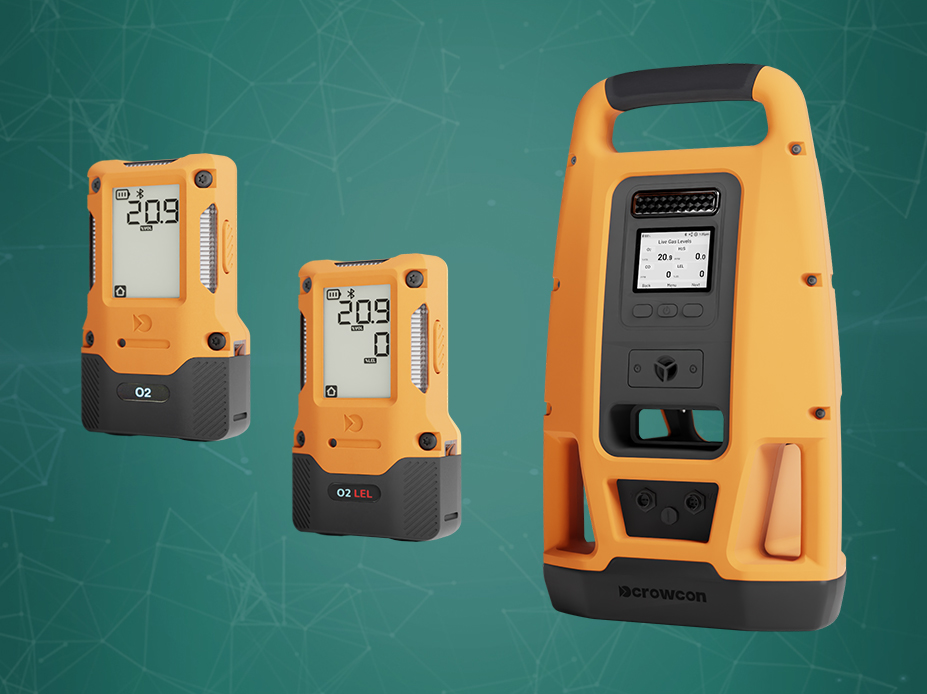
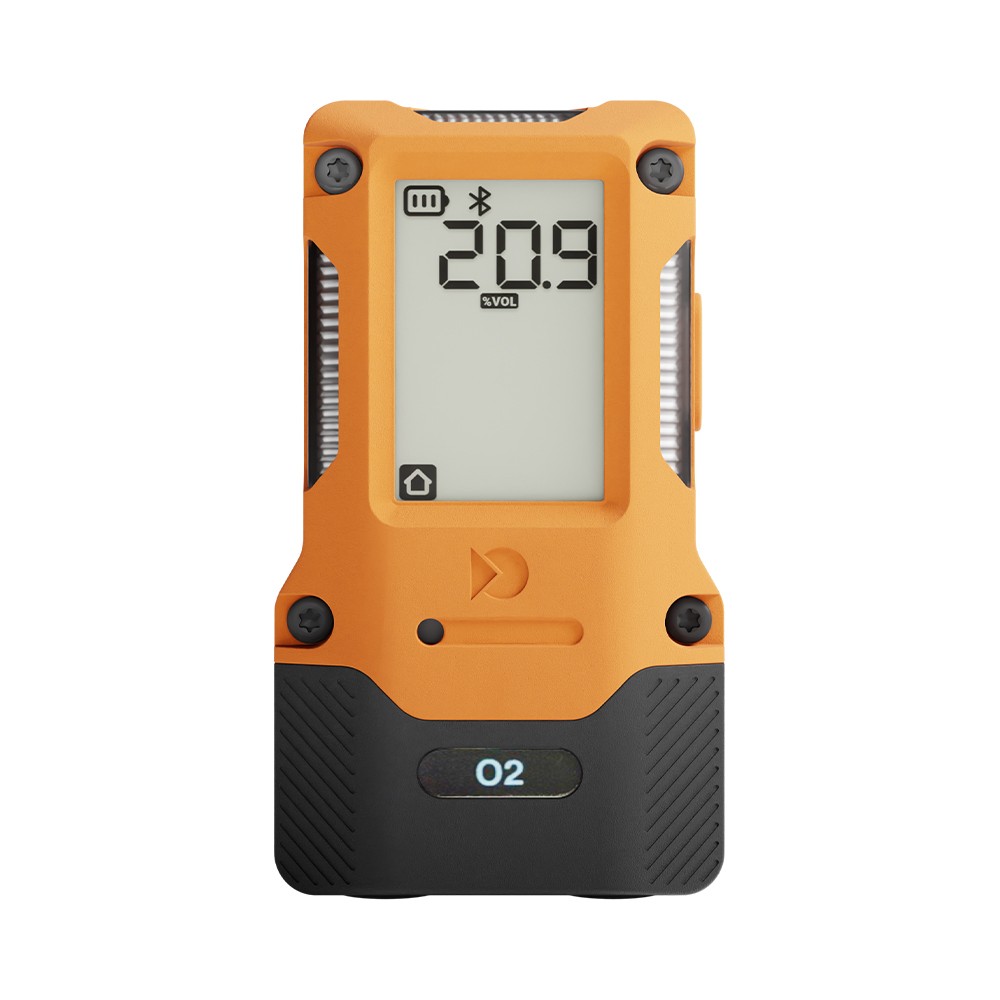
- UNOIQ single-gas detector
A personal, rechargeable and modular single-gas detector with extended battery life, modular sensors and continuous connectivity for enhanced safety.
- Lightweight and compact design;
- One-button operation;
- Durable and reliable;
- Low cost of ownership;
- Upgradeable for dual-gas detection.
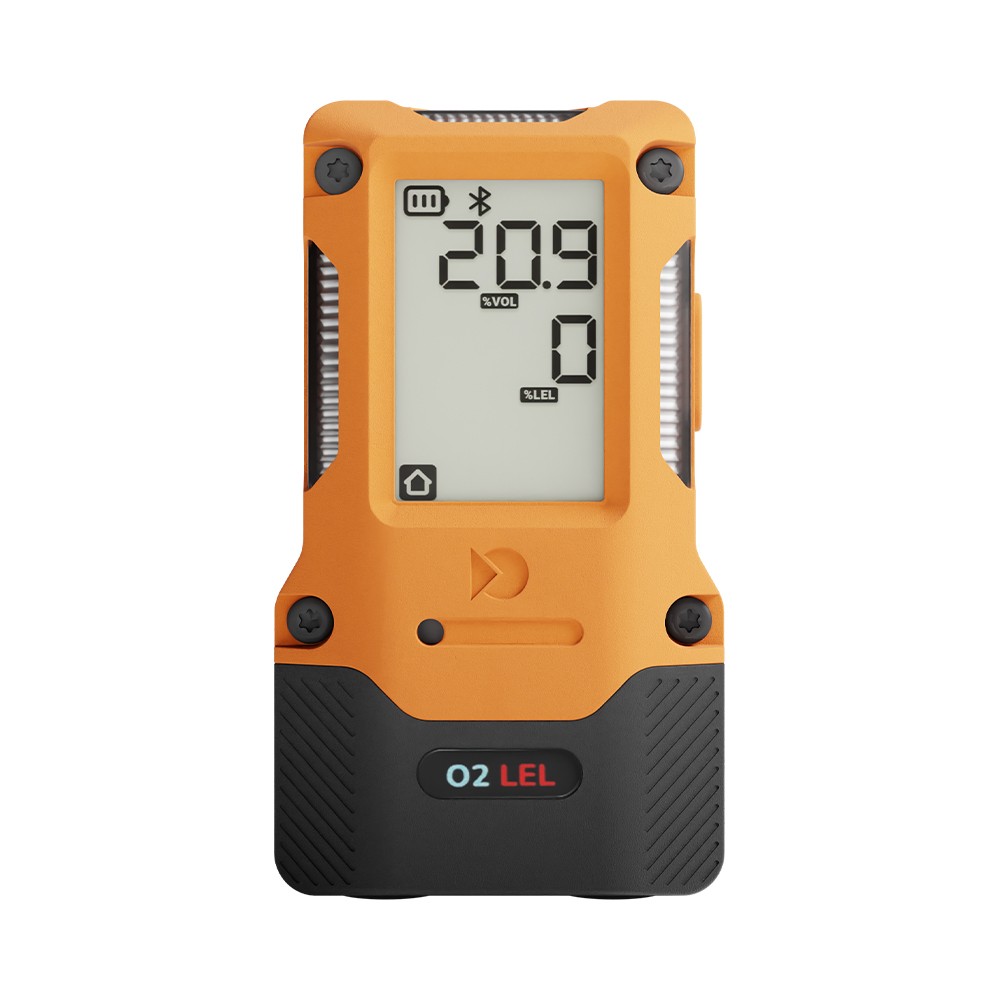
- DUOIQ multi-gas detector
A dual-gas detector featuring advanced modular sensor technology, long-life battery and seamless connectivity for improved safety.
- Lightweight and compact design;
- One-button operation;
- Pre-calibrated sensor trays;
- Comprehensive sensor technology;
- Dual-gas detection.
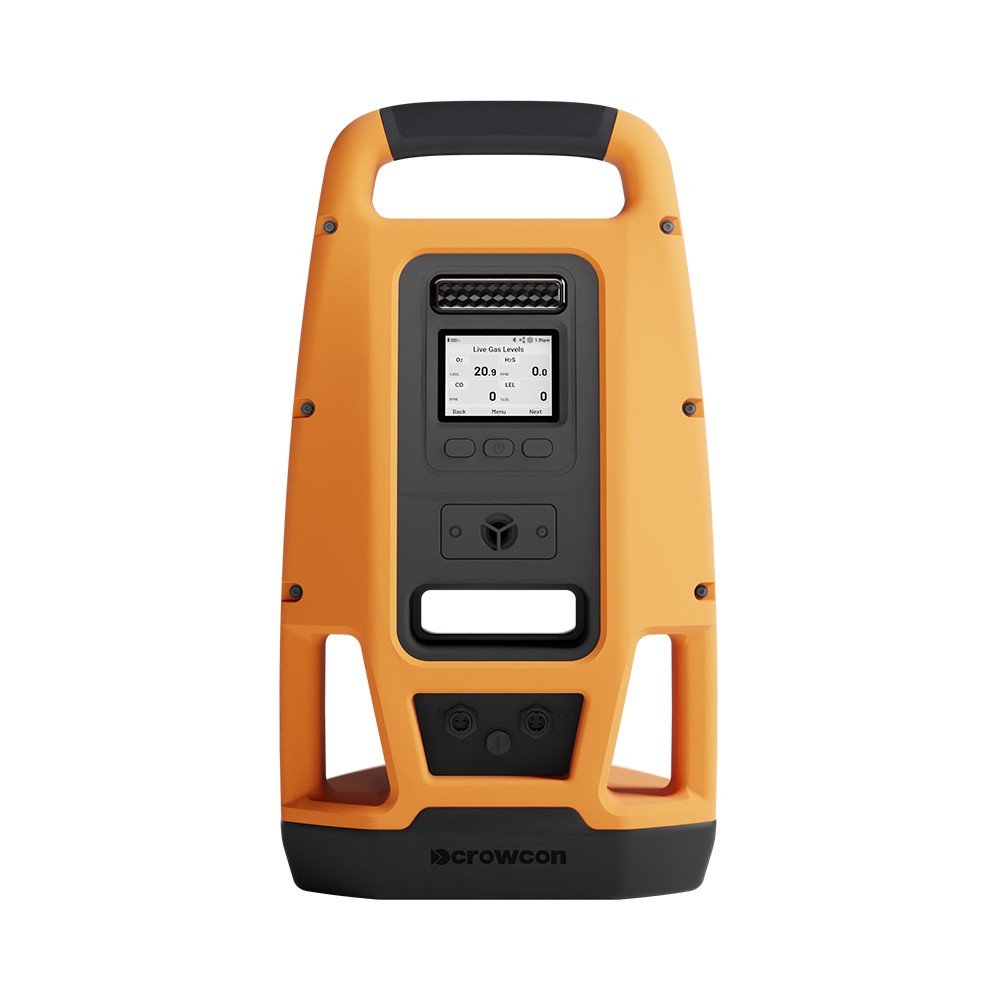
- DETECTIVEIQ portable multi-gas detector
Configurable area monitor for temporary worksites, a rugged multi-gas detector with industry-leading battery life, modular sensors and seamless connectivity for enhanced safety.
- Unmatched battery life;
- Bluetooth mesh connectivity;
- Built to last;
- Modern and intuitive user interface;
- High-visibility alerts.
Modularity and calibration: a practical advantage in the field
The presence of modular gas sensors and simple, fast calibration procedures represents a key added value. These features allow you to:
- reduce instrument downtime;
- simplify operational management;
- maintain high gas safety standards over time.
In this way, detectors are not only emergency devices, but reliable instruments for structured daily use within industrial safety strategies.
Gas detection as part of an integrated safety strategy
Industrial gas detection should not be considered an isolated measure, but an integral part of a structured safety strategy. To be truly effective, gas monitoring must be included within a broader system that involves operating procedures, personnel training, risk assessment and emergency plans.
In high-risk environments such as confined spaces and explosive-risk zones, gas detection helps establish continuous control of the working atmosphere. Integrating portable gas detectors into daily activities allows operators to work more consciously, reducing exposure to toxic gases and preventing critical situations before they become emergencies.
The use of multi-gas detectors and suitable gas sensors also makes it possible to adapt the safety strategy to different operating conditions, making it flexible and dynamic. In this way, gas detection becomes an active preventive tool capable of supporting timely decisions and improving overall industrial risk management.
Why invest today in industrial gas detection
Investing in industrial gas detection today means anticipating risks and concretely protecting people, facilities and production processes. In an increasingly safety-focused regulatory and operational environment, relying on reliable gas detection systems is no longer optional but necessary.
The costs associated with an incident caused by hazardous gases — in terms of damage, downtime and liability — are far higher than the investment required to equip operations with properly managed gas detectors. Prevention therefore becomes a strategic lever to improve operational continuity and reduce the impact of unexpected events.
Thanks to technological evolution, highly reliable, modular and easy-to-maintain gas and portable multi-gas detectors are now available. Adopting solutions based on interchangeable gas sensors and efficient calibration procedures allows high safety standards to be maintained over time, supporting more responsible management of industrial environments.
In this scenario, investing in gas detection does not simply mean complying with regulations, but building a safety culture focused on prevention and the protection of people, both today and in the future.


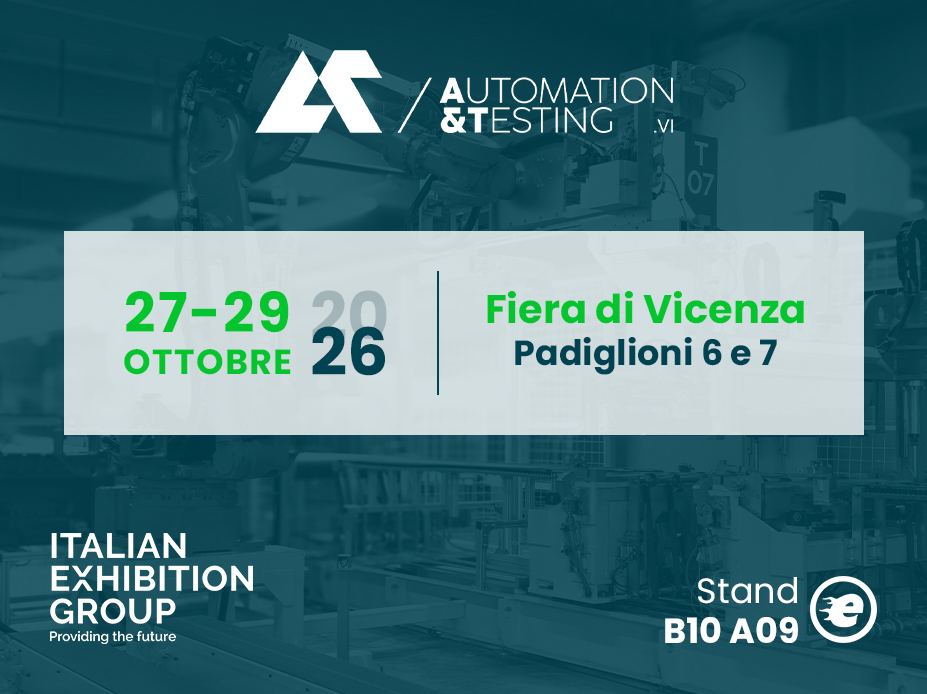 E Instruments at the A&T Vicenza 2026 Trade Fair: Measurement, Calibration, and Safety in Hall 7
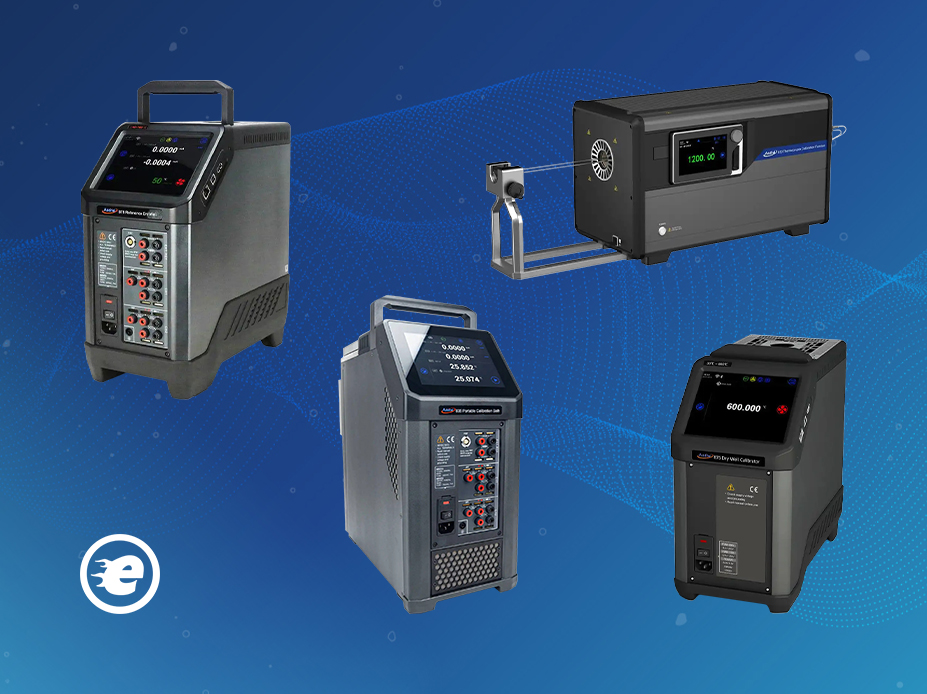 Additel dry-well temperature calibrators: the complete range for thermocouples and resistance thermometers
 Thermal imaging cameras and pyrometers for the plastics industry: applications, benefits, and solutions