


Portable tools
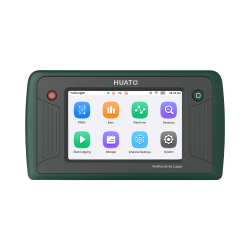
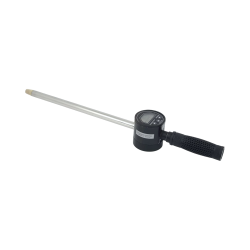
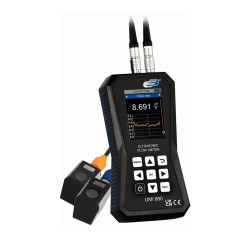
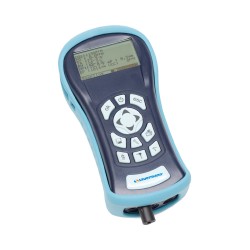
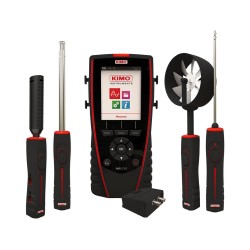
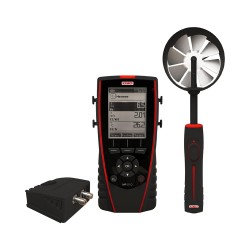
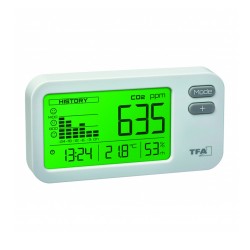
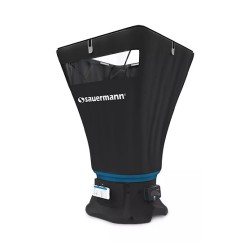
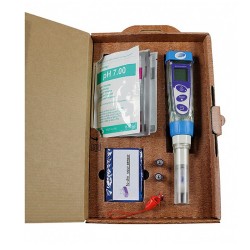
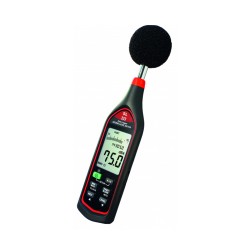
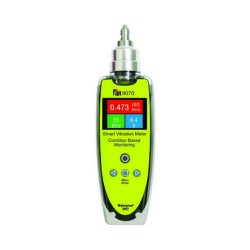
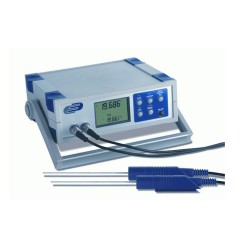
Our wide selection of Portable Tools is ideal for professionals on the move. These compact and easy-to-carry devices are designed to offer maximum functionality and precision in a variety of work environments. From gas detectors to temperature calibrators, each instrument is built with the most advanced technology, ensuring reliable and long-lasting performance. Perfect for field use, in the laboratory, or in industrial environments, our portable instruments are the ideal solution for professionals who require quality and practicality.





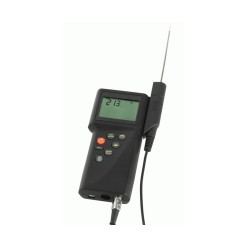
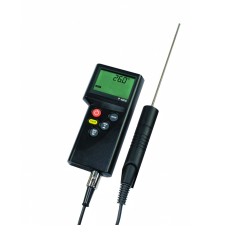
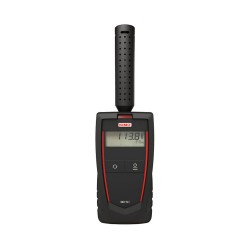
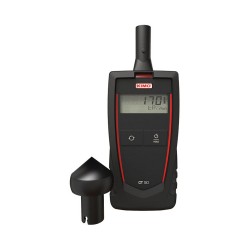
Technical FAQ:
Portable tools
What is a portable instrument?
It is a compact, battery-powered measuring device designed to be carried and used directly on the field by the operator. It combines acquisition electronics, sensors, display and memory into a single rugged body suitable for maintenance, inspections
and diagnostics in mobility.
What is a portable instrument used for?
It is used to perform spot measurements of physical, chemical, electrical or environmental parameters in locations where it is not possible or convenient to install fixed instrumentation. It is the reference tool for maintenance technicians, process
technicians and inspectors.
In which sectors can a portable instrument be used?
It can be used in practically every industrial sector: plant maintenance, HVAC, oil & gas, food, pharmaceutical, chemical, automotive, construction, agriculture, healthcare, research, quality control and technical inspection and consulting services.
When should you choose a single-parameter and when a multi-parameter instrument?
A single-parameter instrument is preferable for specific, recurring measurements with high accuracy on a single quantity. A multi-parameter instrument is preferable for complete inspections where multiple quantities are needed simultaneously in a single
device.
What parameters can be measured with a portable instrument?
Temperature (contact and infrared), relative humidity, air velocity, pressure, CO/CO₂, illuminance, sound, vibration, air quality, water quality (pH, conductivity, dissolved oxygen), electrical quantities and many others, depending on the type of sensor.
What is the difference between a portable instrument and a data logger?
A portable instrument is designed for spot measurements read in real time by the operator; a data logger is designed to acquire and store data continuously over time, even for days or months, without the operator being present. Many portable
instruments still integrate a basic datalogging function.
What battery life do portable instruments have?
Typical battery life ranges from 10 to 40 hours with rechargeable lithium batteries or standard alkaline batteries. The most advanced models feature energy-saving functions (auto power-off, adaptive backlighting) to further extend battery life.
What ruggedness requirements does a portable instrument need for field use?
For industrial use, polycarbonate or ABS housings with rubber bumpers, IP54 protection rating or higher, drop resistance from 1-2 meters according to MILSTD- 810G, extended operating temperature range (-10/+50 °C) and ergonomics
optimized for use with gloves are required.
Can portable instruments communicate via Bluetooth or WiFi?
Yes, professional models integrate Bluetooth Low Energy and WiFi to transfer measurements directly to mobile apps, PC software or cloud platforms. A function appreciated for automatic field report generation and real-time sharing with
colleagues.
Do portable instruments need periodic calibration?
Yes, the typical interval is annual or biennial depending on use and quality management system requirements (ISO/IEC 17025). For official or certified inspection activities, annual calibration with a traceable certificate is mandatory.
Are there ATEX-certified portable instruments?
Yes, for activities in potentially explosive atmospheres (oil & gas, chemical) there are instruments certified ATEX/IECEx Ex ia in intrinsic safety, suitable for Zone 0/1/2. The certification standard must always be verified in relation to the specific zone of use.
How to choose the right portable instrument?
The main criteria are: quantities to be measured and range, required accuracy, environmental conditions (temperature, IP, ATEX), battery life, ergonomics, datalogging and connectivity needs, integration with existing software and budget.