


Electrical Solutions
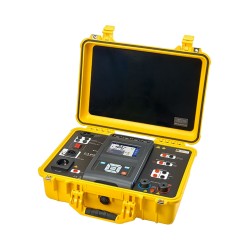
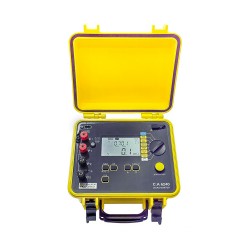
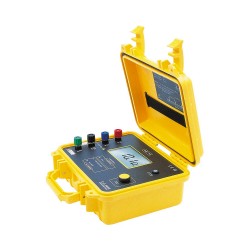
Our selection of electrical solutions offers advanced electrical products designed to meet the needs of professionals in various sectors. From measurement equipment to control instrumentation, each product is characterized by reliability, precision, and technological innovation. Our electrical tools are ideal for ensuring maximum efficiency and safety in any work environment. With E Instruments, you are assured of finding cutting-edge electrical solutions that elevate your professional standards and optimize your operations.


Technical FAQ:
Electrical Solutions
What is meant by electrical solutions?
Electrical solutions refer to the set of instruments and devices dedicated to the measurement, verification, diagnosis and safety of industrial and civil electrical installations: multimeters, clamp meters, safety testers, network analyzers, calibrators and power quality measurement devices.
What electrical solutions does E Instruments offer?
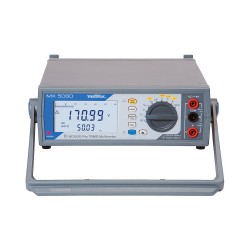
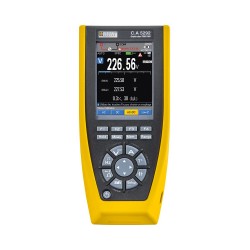
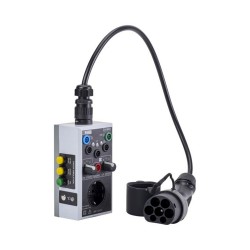
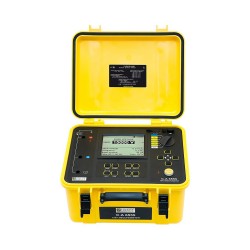
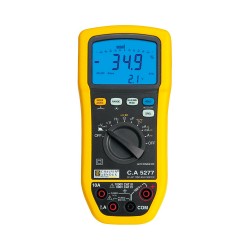
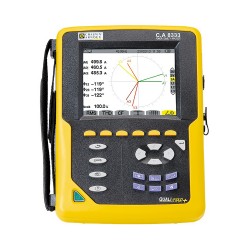
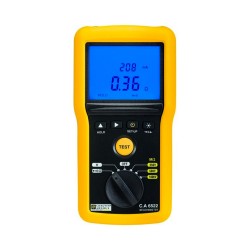
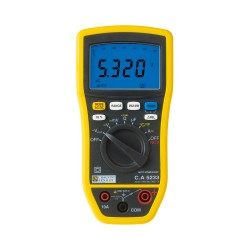
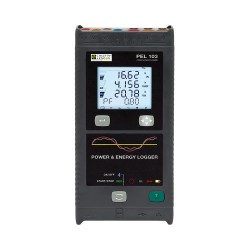
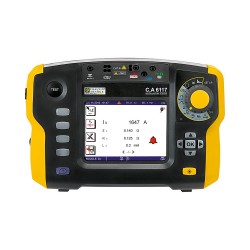
The range includes professional digital electrical multimeters, clamp meters for current measurements, electrical safety solutions (insulation, continuity, RCD measurements) and energy management solutions (network analyzers, consumption monitoring).
In which sectors are electrical installation instruments used?
They are used by electrical installers, industrial maintenance technicians, electrical engineers, ESCOs and energy managers, inspectors (CEI 64-8, CEI 0-21), civil electricians, industrial sectors (oil & gas, chemical, automotive, manufacturing, food) and periodic installation verification services.
Which standards regulate measurement activity on electrical installations?
The main ones are CEI 64-8 (LV electrical installations in Italy, transposing HD 60364), CEI 11-27 (safety in electrical work, PES/PAV/PEI), CEI EN 61557 (safety test equipment), CEI 0-16 / 0-21 (user network connection) and D.M. 37/08 (Italian declaration of installation conformity).
What is the difference between a multimeter and a clamp meter?
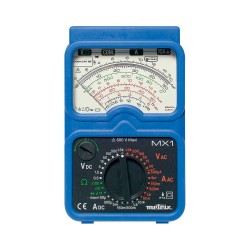
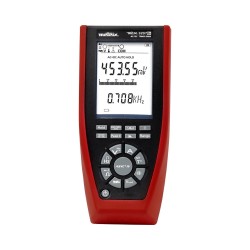
The multimeter is a universal instrument that measures voltage, current, resistance, frequency and other quantities via probes, requiring circuit interruption for current measurement. The clamp meter measures current non-invasively by clamping around the cable, without opening the circuit.
What is power quality?
It is the evaluation of the characteristics of mains voltage (waveform, frequency, harmonics, flicker, unbalance, dips and transient overvoltages) with respect to EN 50160, with an impact on equipment reliability, motor lifetime, energy efficiency and disputes with distributors.
What does a three-phase network analyzer measure?
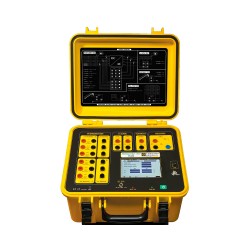
Voltage, current, active/reactive/apparent power, power factor (cos φ), energy consumed, harmonics up to the 50th order (THD), flicker, transients, network events (dip, swell, interruptions). It is the reference instrument for energy audits and electrical disturbance diagnostics.
Which CAT safety category must electrical instruments have?
CAT categories (IEC 61010) indicate the environment of use: CAT II (for plug-powered appliances, up to 600 V), CAT III (fixed installations, panels, distribution, up to 1000 V), CAT IV (origin of installation, meters, up to 1000 V). For industrial use, at least AT III 600 V or higher is required.
What does "True RMS" mean in an electrical instrument?
True RMS (Root Mean Square) indicates the instrument's ability to correctly measure the effective value of non-sinusoidal waveforms (non-linear loads such as inverters, switching power supplies, motors), unlike "average sensing" instruments that assume a pure sinusoidal waveform. Indispensable in all modern installations.
What is an initial or periodic verification of an electrical installation?
It is the procedure provided by CEI 64-8 part 6 to verify that the installation meets safety requirements. It includes: visual inspection, continuity test of the protective conductor, insulation resistance measurement, verification of protection coordination, residual current device (RCD) test, fault loop impedance measurement.
What is mandatory energy diagnosis?
It is the energy audit provided by Italian D.Lgs. 102/2014 (transposing EU Directive 2012/27/EU) for large enterprises and energy-intensive companies, to be repeated every 4 years. It must be conducted by a qualified expert (EGE certified UNI 11339, ESCo certified UNI 11352 or energy auditor according to UNI CEI 11352) following the UNI CEI EN 16247 standard.
Do electrical solutions require periodic calibration?
Yes, multimeters, clamps and analyzers must be calibrated periodically (typically annually for inspection use, biennially for general use) with a calibration certificate traceable to ISO/IEC 17025. For official inspections, updated calibration is mandatory.