What is a HART communicator and why it is so important
A HART communicator is an essential tool for configuring, diagnosing and managing field devices that use the HART protocol, one of the most widely adopted standards in the process industry. This instrument provides access to the internal parameters of sensors, transmitters and actuators, allowing users to read values, modify settings, run tests and verify the correct operation of devices directly in the field or in the laboratory.
Within measurement and control processes, the HART communicator plays a strategic role: it ensures reliable communication between smart instruments and automation systems, helping to improve accuracy, safety and operational continuity. Thanks to its ability to communicate with devices without interrupting production, it represents a key asset in electro-instrumental maintenance, especially in complex plants or critical areas where speed and accuracy are essential.
The effectiveness of the HART communicator is closely linked to the HART protocol, an international standard that combines the advantages of analog 4–20 mA transmission with the flexibility of digital communication. This universal compatibility makes the communicator an indispensable tool for technicians, maintenance personnel and installers operating in sectors such as oil & gas, chemical, food & beverage, pharmaceutical and power generation.
The HART protocol: how it works and why it was developed
The HART protocol (Highway Addressable Remote Transducer) was developed in the 1980s with a clear objective: to integrate digital information into already widespread analog measurement systems, without requiring the replacement of existing installations. At that time, the 4–20 mA signal was the industrial communication standard, but it did not allow the exchange of advanced parameters, diagnostics or remote configuration.
HART addressed this limitation by introducing a digital layer superimposed on the analog signal, successfully combining innovation with backward compatibility.
The operation of the protocol is based on a hybrid technology: the analog 4–20 mA signal continues to represent the primary measurement value, while a digital modulation in the audio frequency band (FSK) enables real-time data transmission and reception. This makes it possible to read internal parameters, configure devices, perform diagnostics and communicate with multiple instruments on the same loop, without interfering with the process or interrupting operation.
Compared to purely analog configurations, the HART protocol offers numerous advantages, including enhanced data access, reduced errors, advanced diagnostics, full data traceability and simplified maintenance management. Despite the emergence of more complex digital protocols, HART remains one of the most widely used standards in industrial automation, thanks to its reliability, universality and ease of integration with devices from all major manufacturers.
How a HART communicator works
A HART communicator operates as an intelligent interface capable of connecting to field devices based on the HART protocol, enabling direct and comprehensive communication with transmitters, actuators and smart instruments installed in industrial plants. Its operation is based on the ability to exchange digital information superimposed on the analog 4–20 mA signal, without interfering with the ongoing process.
The operating principle is simple yet highly effective: the communicator connects to the signal loop and initiates bidirectional communication, allowing users to read parameters, modify configurations, run diagnostic tests and verify the health status of devices in real time. This functionality makes it possible to quickly intervene on faulty instruments, optimize calibration, update operating settings or analyze anomalies, thereby improving process continuity and overall production quality.
A central role is played by the HART interface, which enables the communicator to correctly interpret commands and responses from field devices, ensuring reliable and interference-free communication. Thanks to this technology, the communicator can operate with any compatible instrument, regardless of brand or year of manufacture.
Equally essential is the availability of up-to-date device libraries, which allow the communicator to automatically recognize hundreds of models available on the market. Keeping libraries constantly updated ensures the ability to configure new devices, access advanced functions and guarantee full compatibility with the latest instruments.
Thanks to this combination of flexibility, interoperability and diagnostic capability, the HART communicator confirms its role as an essential tool for technicians, maintenance personnel and installers operating in industrial automation.
Where the HART communicator is used: industrial applications
The HART communicator is one of the most widely used tools in modern automation because it allows simple, fast and safe management of a wide range of field devices. Its universal compatibility with the HART protocol makes it indispensable for technicians, maintenance personnel and system integrators operating in highly complex production environments.
Below is an overview of the main applications.
Process plants and industrial automation
In process plants, the HART communicator is used on a daily basis to:
configure pressure, temperature, flow and level sensors and transmitters;
set up and verify smart valves and actuators;
monitor the real-time status of smart devices;
perform parameterization activities during commissioning or plant revamping.
The ability to communicate digitally without interrupting the 4–20 mA signal makes the communicator an ideal tool in industrial automation systems, where efficiency and operational continuity are top priorities.
Field maintenance and diagnostics
In electro-instrumental maintenance activities, the HART communicator is a strategic ally because it allows operators to:
read operating parameters and diagnostic status;
check for sensor drift or anomalies;
modify configurations and measurement ranges;
perform quick tests without removing devices from the process.
Thanks to bidirectional communication, maintenance personnel can fully manage devices directly in the field, reducing downtime and preventing failures that could negatively impact production.
High-risk sectors: oil & gas, chemical, pharmaceutical
In classified environments—such as oil & gas plants, refineries, chemical industries or areas with potentially explosive atmospheres—the use of an ATEX-certified HART communicator is essential to ensure safety and regulatory compliance.
These instruments are designed for operation in hazardous areas and allow users to:
configure field devices while maintaining high safety standards;
work without risk thanks to explosion-proof certification;
ensure reliability even under extreme operating conditions.
In such contexts, secure communication and preventive diagnostics are not merely advantages, but essential requirements for plant continuity and personnel protection.
Operational advantages of the HART communicator for technicians and maintenance personnel
The use of a HART communicator offers numerous practical benefits for technicians, installers and maintenance personnel working in process plants and industrial automation systems. The combination of digital communication, advanced diagnostics and universal compatibility makes it an essential tool in modern electro-instrumental maintenance.
Below are the main operational advantages.
Fast configuration
The communicator allows users to set parameters, measurement ranges, engineering units and diagnostic functions within seconds, significantly reducing device configuration time. This is particularly useful during:
Interventions are immediate and precise, improving overall plant operational continuity.
Immediate diagnostics
Thanks to bidirectional digital communication, technicians can:
read device status;
check for errors or drift;
identify impending failures;
verify alarm conditions and the status of valves or transmitters.
Advanced diagnostics are one of the key strengths of the HART protocol, enabling failure prevention and supporting predictive maintenance strategies.
Reduction of operational errors
The ability to clearly display every parameter significantly reduces the risk of manual errors associated with analog configuration.
The HART communicator guides technicians through the correct parameter input, provides validation messages and verifies the consistency of settings.
This approach increases operational reliability and enhances overall process safety.
Parameter traceability
The HART communicator allows the recording and storage of device histories, parameters and configurations.
Data traceability:
simplifies audits and internal inspections;
enables faster future interventions;
supports comprehensive plant technical documentation.
Universal compatibility with most brands
One of the most significant advantages is full interoperability with devices from nearly all manufacturers on the market, thanks to protocol standardization.
This allows technicians to use a single tool to configure sensors from different brands, simplifying workflows and reducing management costs.
The importance of lifetime-updatable libraries
Advanced instruments include HART libraries that can be updated free of charge for life.
This ensures:
compatibility with newly released devices;
immediate access to additional functions;
extended instrument lifespan;
complete independence from future update costs.
For technicians and maintenance personnel, having always up-to-date libraries means being able to operate in any environment without the risk of incompatibility or operational limitations.
HART communicators offered by E Instruments
E Instruments provides a carefully selected range of HART communicators designed to support maintenance personnel, instrumentation technicians and system integrators in their daily activities of configuration, diagnostics and maintenance of field devices.
These solutions are robust, reliable and compatible with most transmitters available on the market, ensuring operational efficiency in any industrial environment.
Meriam MFC5150X: the industry benchmark
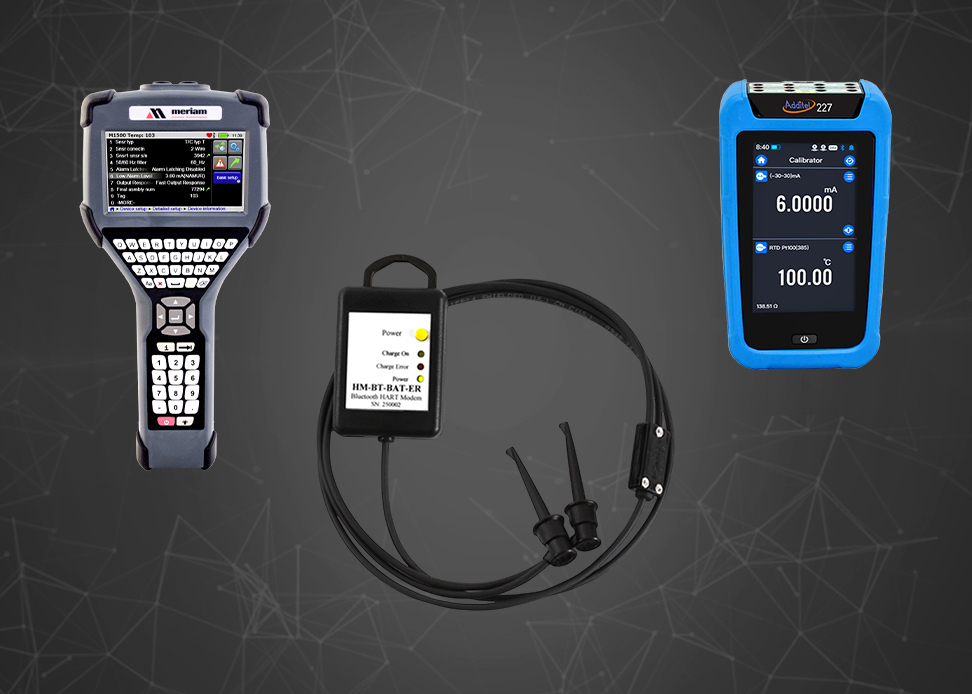
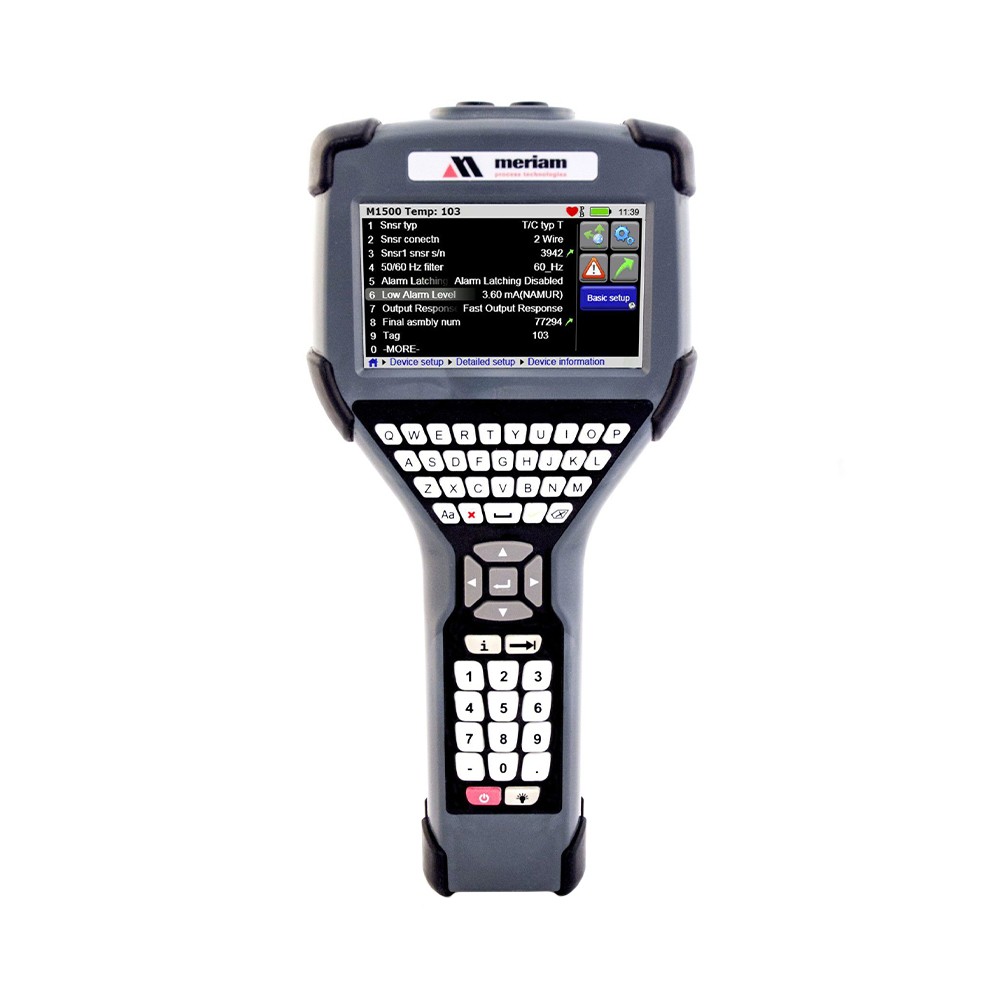
The Meriam MFC5150X HART communicator is one of the most widely used and appreciated instruments worldwide, thanks to its combination of performance, safety and versatility.
Its key strengths include:
universal compatibility with all major HART transmitter brands available on the market;
ATEX certification, allowing safe operation in hazardous areas where high safety standards are required;
lifetime free HART library updates, a unique advantage that ensures continuous compatibility with newly released devices;
rugged construction and long-term reliability, with a design engineered to withstand harsh industrial environments while maintaining consistent performance.
Thanks to these features, this model is considered the reference solution for professionals operating in highly regulated sectors such as oil & gas, chemical and petrochemical industries.
Universal HART communicator with app/tablet interface
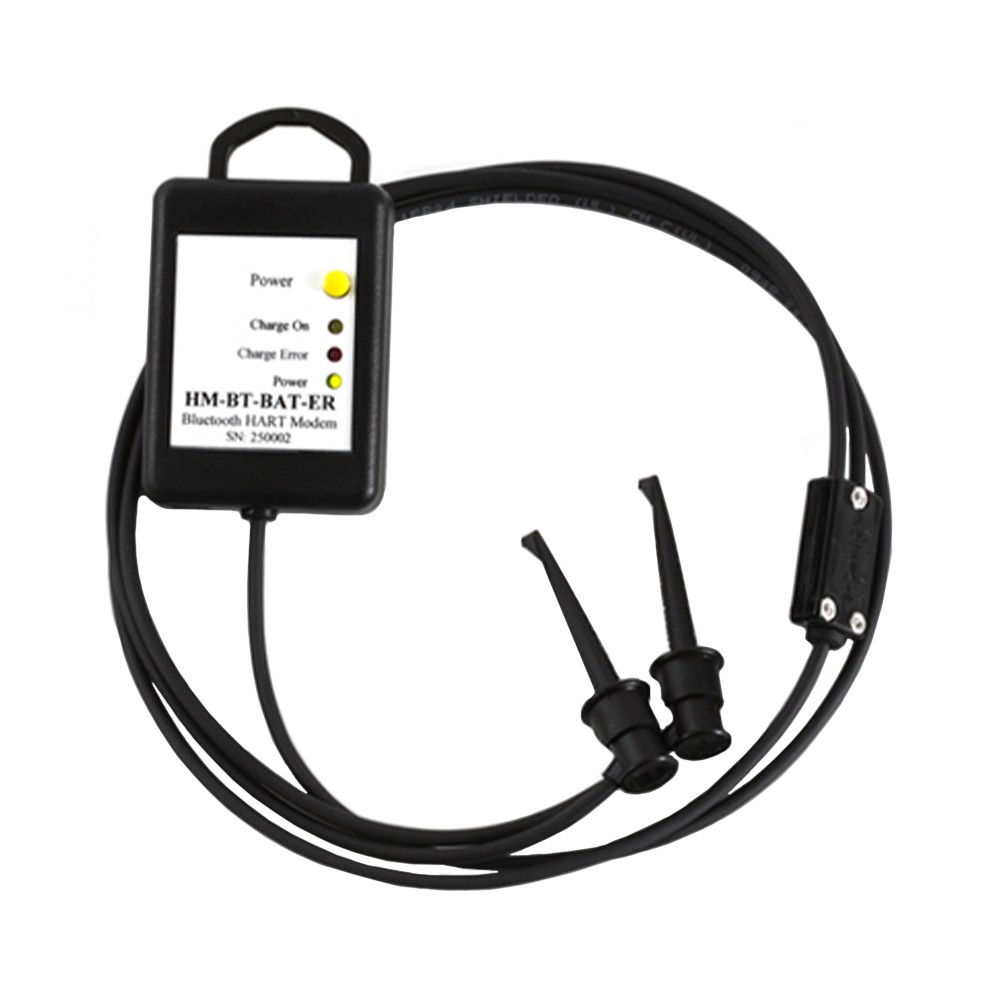
For users who require a lighter and more flexible solution, E Instruments offers a universal HART communicator that interfaces via a dedicated app on tablets or smartphones.
Key features include:
Bluetooth connectivity, enabling fast, cable-free operation even in hard-to-reach locations;
maximum portability, thanks to its compact and lightweight design, ideal for rapid field interventions;
particularly suitable for technicians working across multiple plants who need a versatile and immediate tool.
This device is the ideal choice for those seeking a practical yet powerful communicator, providing all essential configuration and diagnostic functions.
Additel ADT227-HART: integrated calibrator and communicator
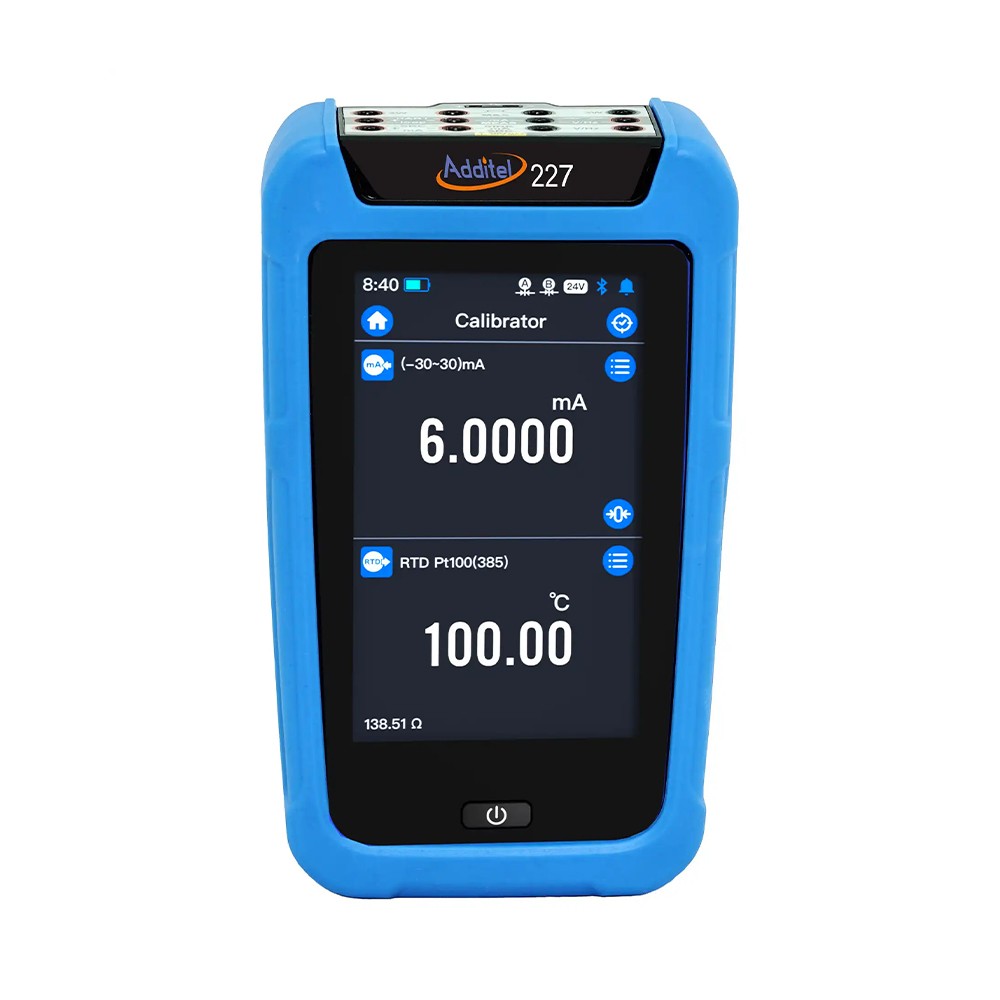
The Additel ADT227 is a unique instrument that combines the functionality of a process signal calibrator with an integrated HART communicator.
Its main advantages include:
a true 2-in-1 solution, capable of measuring, simulating and generating signals while also managing HART communication;
complete configuration functions, including diagnostics, parameter reading, range setting and device verification;
suitable for both field and laboratory use, thanks to its metrological accuracy and rugged design.
This model represents an extremely effective solution for professionals looking to reduce the number of instruments required in the field without compromising on performance.
How to choose the right HART communicator
Selecting the right HART communicator depends on plant characteristics, the type of installed devices and the operational needs of the maintenance team. Carefully evaluating technical requirements makes it possible to identify the most efficient and safest instrument for daily operations.
Below are the key factors to consider.
Plant requirements and device types
Each plant may include pressure, temperature and level transmitters, smart valves, actuators and intelligent field devices from different manufacturers. It is essential to ensure that the communicator provides full compatibility with all installed HART devices.
Device compatibility and updated libraries
The availability of up-to-date Device Descriptions (DDs) is a critical factor. Incomplete or outdated libraries may limit access to device functions and advanced parameters, reducing the effectiveness of configuration and diagnostics.
ATEX certification requirements
In classified environments—such as refineries, chemical plants or areas with explosion risk—it is mandatory to use an ATEX-certified HART communicator. In these cases, the choice must focus on instruments specifically designed for safe operation in hazardous areas.
Required diagnostic functions
For some industrial applications, advanced features are essential, including:
smart diagnostics;
device health status monitoring;
verification of 4–20 mA signals;
calibration parameters and measurement ranges.
More advanced communicators provide comprehensive diagnostics that support predictive maintenance strategies.
Portability versus advanced instruments
For quick field interventions and work across multiple plants, a lightweight, portable communicator with wireless connectivity is often preferred.
For calibration tasks or advanced diagnostics, a fully featured professional instrument—such as the Additel ADT227—is more suitable.
Why the HART communicator remains an indispensable standard
The HART communicator continues to be a key reference in industrial automation thanks to its reliability, versatility and ability to integrate seamlessly into any plant. The combination of digital communication with the analog 4–20 mA signal makes it suitable for complex environments where precision, safety and operational continuity are essential requirements.
Its role is fundamental for:
controlling processes efficiently and safely;
enabling predictive maintenance by identifying anomalies before they develop into failures;
ensuring operational continuity through universal compatibility with the main field devices;
supporting technicians and maintenance personnel with reliable tools that can be updated over time.
The solutions provided by E Instruments—ranging from ATEX-certified communicators to calibrators with integrated HART communication—ensure high performance and comprehensive technical support, giving professionals the confidence to work with essential tools for modern process management.


 E Instruments at the A&T Vicenza 2026 Trade Fair: Measurement, Calibration, and Safety in Hall 7
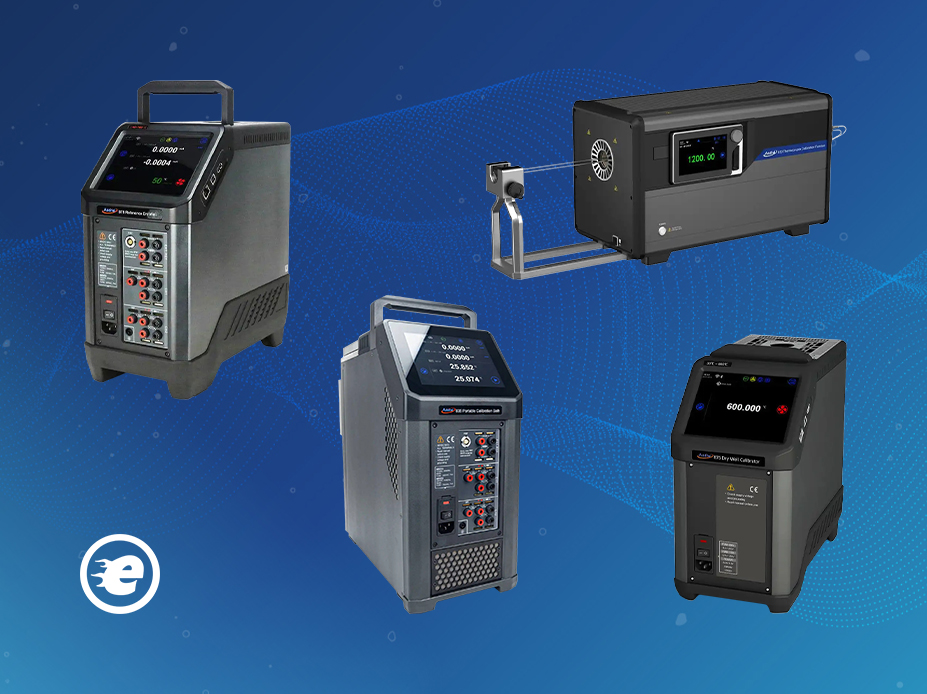 Additel dry-well temperature calibrators: the complete range for thermocouples and resistance thermometers
 Thermal imaging cameras and pyrometers for the plastics industry: applications, benefits, and solutions