


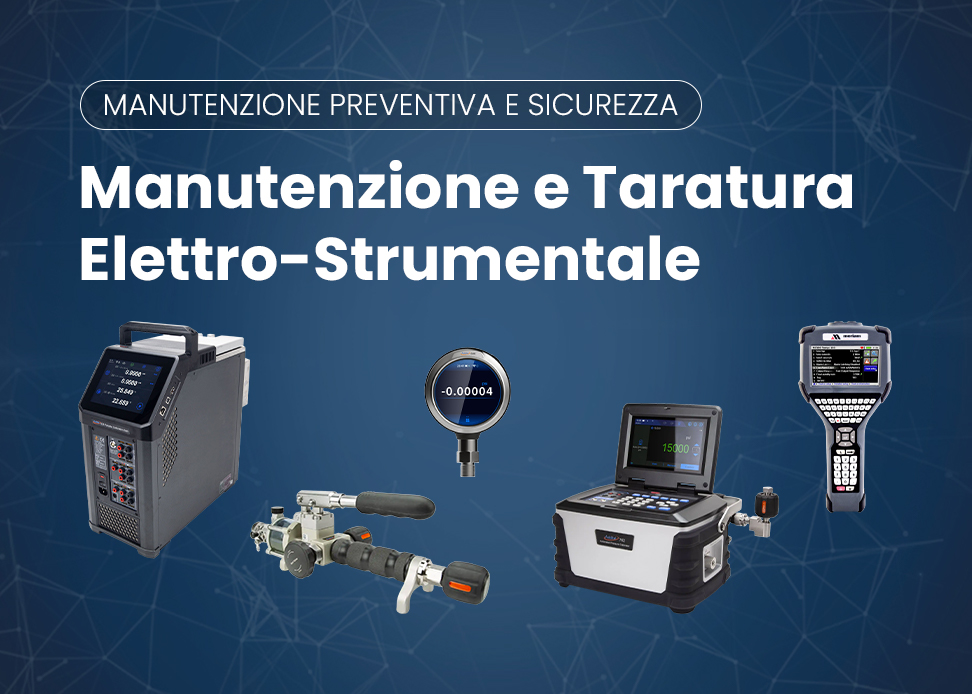
Calibration of measuring instruments is the process through which the correspondence between the value indicated by the instrument and the real value provided by a certified reference is verified. In essence, it is a metrological comparison that makes it possible to precisely determine how much the instrument deviates from the correct value.
Calibration does not modify the instrument but measures its error: this information is essential to understand whether the device can continue to be used safely, whether it falls within the required tolerances, or whether corrective actions are needed. Knowing this deviation allows companies to maintain reliable, controlled processes that comply with quality standards.
In the context of electro-instrumental maintenance, the calibration of measuring instruments is one of the pillars of precise plant management: it ensures that sensors, transmitters, pressure gauges, thermometers, and process instruments continue to measure accurately over time, supporting operational continuity, failure prevention, and operator safety.
What happens when uncalibrated instruments are used in processes
Using uncalibrated instruments can introduce significant measurement errors, with direct consequences on product quality and the operational continuity of plants. Even a minimal deviation from the actual values can lead to production waste, unexpected consumption, energy inefficiency and, in more critical cases, plant shutdowns caused by incorrect controls or out-of-tolerance parameters.
Over time, every instrument is subject to instrumental drift: a gradual change in its performance that results in increasingly inaccurate measurements. Without periodic verification, drift can go unnoticed for a long time, causing widespread issues before it is identified.
The repercussions affect not only process efficiency but also operational safety. Incorrect measurements can compromise the functioning of thermal systems, pressurized equipment, chemical processes or electrical devices, increasing the risk of accidents or malfunctions.
Finally, uncalibrated measuring instruments may fail to comply with internal requirements or industry regulations. Missing calibration exposes companies to risks during audits, quality controls and documentation checks, potentially leading to disputes, loss of certifications or penalties. Keeping instruments calibrated therefore means ensuring reliability, traceability and full compliance at every stage of the production process.
Why the calibration of measuring instruments is essential for companies
Regular calibration of measuring instruments is a fundamental element for ensuring continuity, safety and competitiveness within any production environment. Controlled and reliable instruments allow companies to obtain precise data, which is indispensable for maintaining stable and well-managed industrial processes.
One of the main benefits concerns increased operational reliability: accurate measurements reduce the risk of errors, avoid waste of raw materials and help keep critical plant parameters under control. This results in smoother processes, fewer variables and a lower likelihood of unexpected failures.
Calibration also contributes to better quality control, ensuring that every stage of the production process complies with technical specifications. When instruments provide correct values, defects in finished products can be prevented, waste reduced and overall efficiency maximised.
Another crucial aspect involves safety and failure prevention. Uncalibrated instruments can generate incorrect readings of sensitive variables — such as pressure, temperature or electrical signals — posing potential risks to operators and equipment. Calibration of measuring instruments makes it possible to identify abnormal deviations and intervene before dangerous conditions arise.
Moreover, keeping measuring instruments certified supports regulatory compliance and simplifies audits, inspections and documentation checks. Having up-to-date certificates and traceable measurements is an essential requirement in many regulated sectors.
Finally, calibration plays a central role in predictive maintenance: it allows companies to monitor instrument drift and schedule targeted interventions only when genuinely necessary. This approach reduces maintenance costs, improves plant availability and supports more efficient, intelligent management of corporate resources.
Instruments requiring periodic calibration
E Instruments solutions for pressure
Calibration of pressure instruments is crucial because pressure is a critical variable in countless industrial processes. An incorrect value can compromise safety, product quality and plant efficiency. Typical applications include pneumatic systems, hydraulic systems, compressors, HVAC systems and high-pressure processes in the metalworking industry or metrological laboratories.
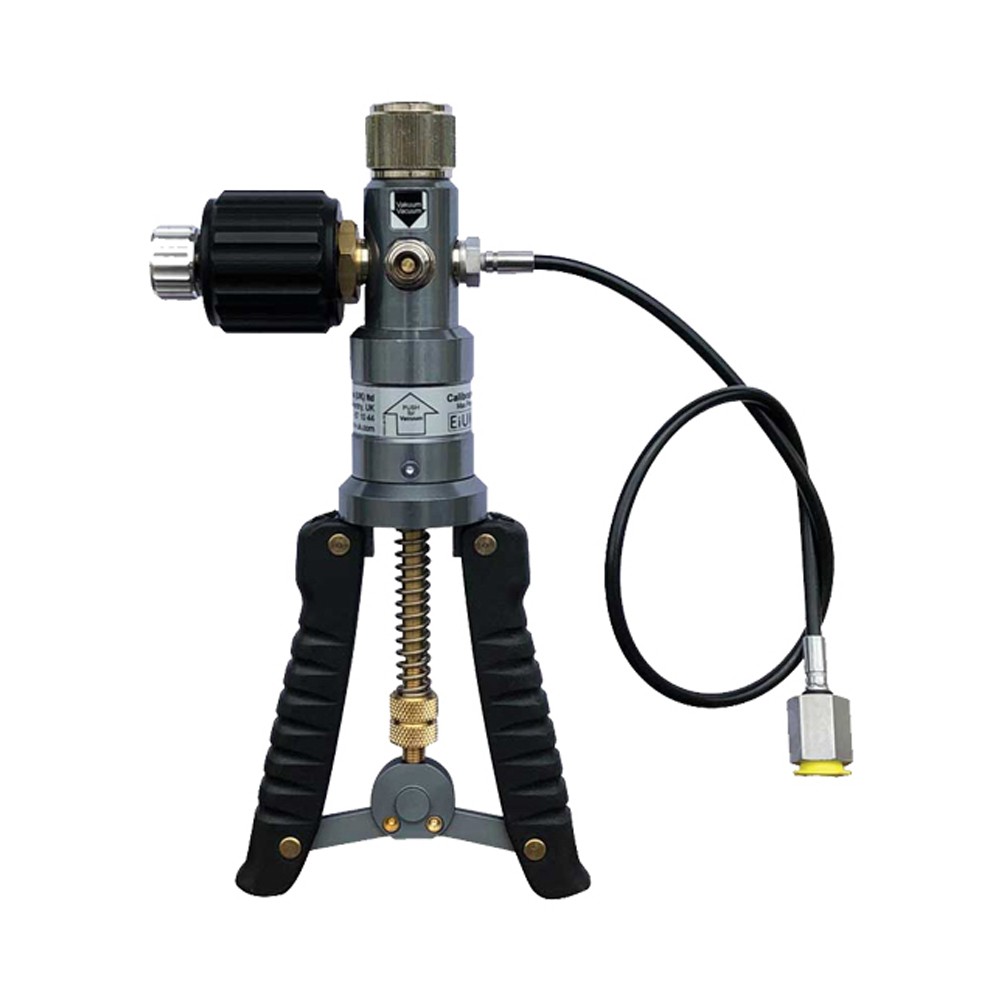
- PGS40: hand pump pressure calibrator - pressure from vacuum up to 40 bar; - simple and compact; - ideal as a basic instrument when paired with a calibrated pressure gauge.
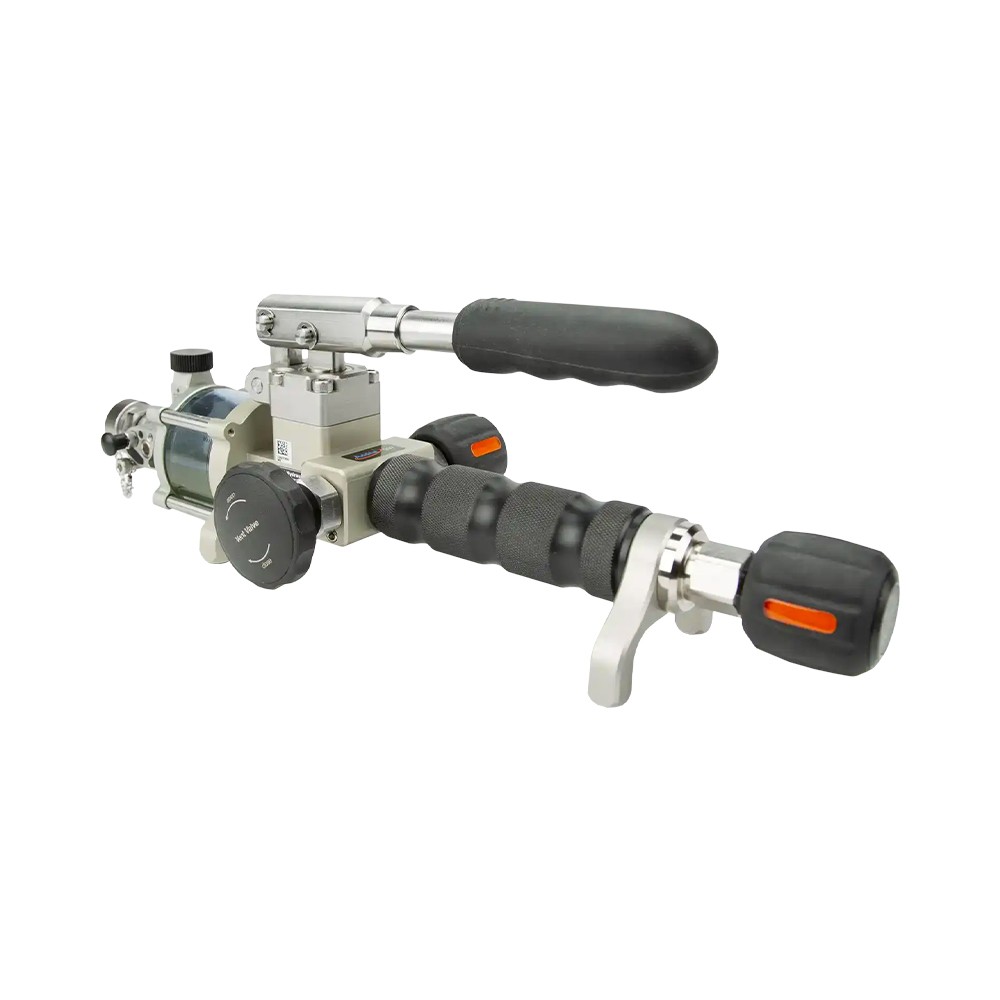
- Additel ADT997: hand pump pressure calibrator - pressure from 0 to 700 bar; - designed for high-pressure hydraulic calibrations; - suitable for industrial environments when combined with a calibrated pressure gauge.
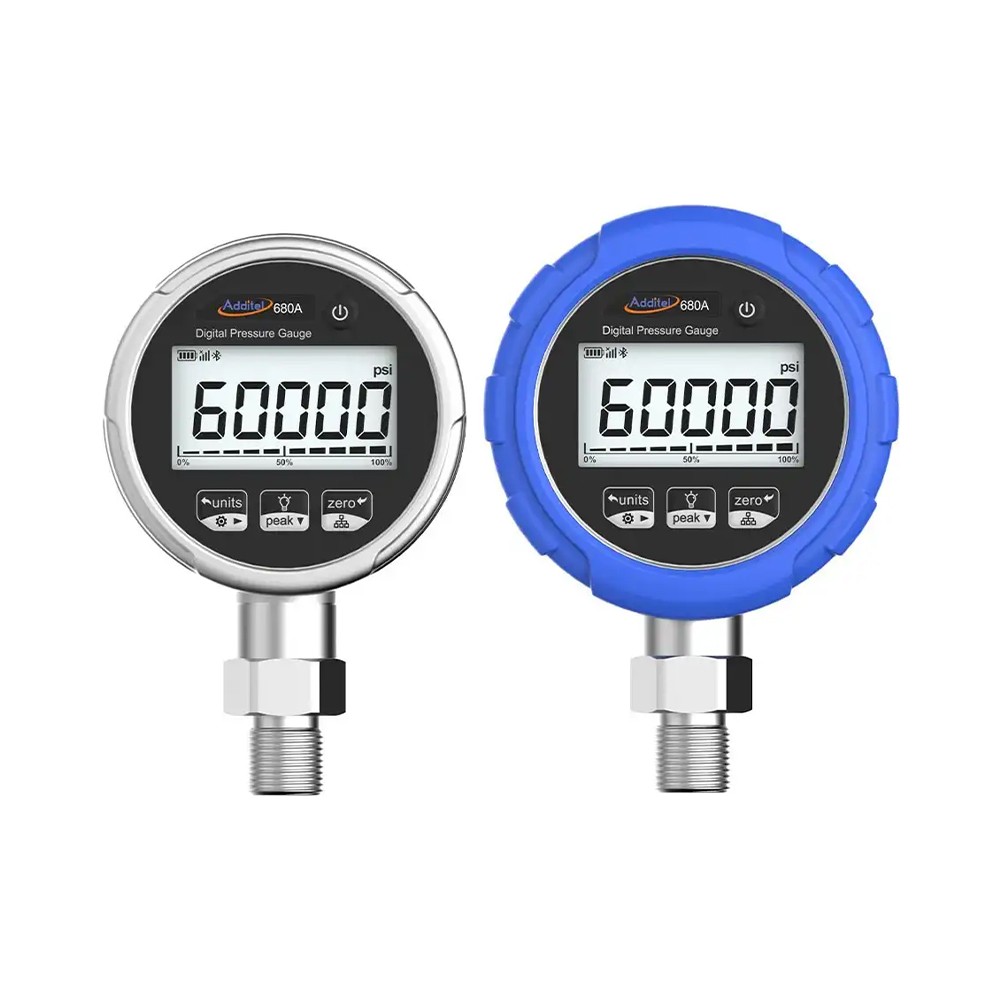
Additel offers several reference pressure gauge solutions:
- Additel ADT680A: 5-digit digital pressure gauge calibrator - pressure from vacuum up to 4,200 bar; - used for field calibrations or process pressure verification; - ensures reliability and durability.
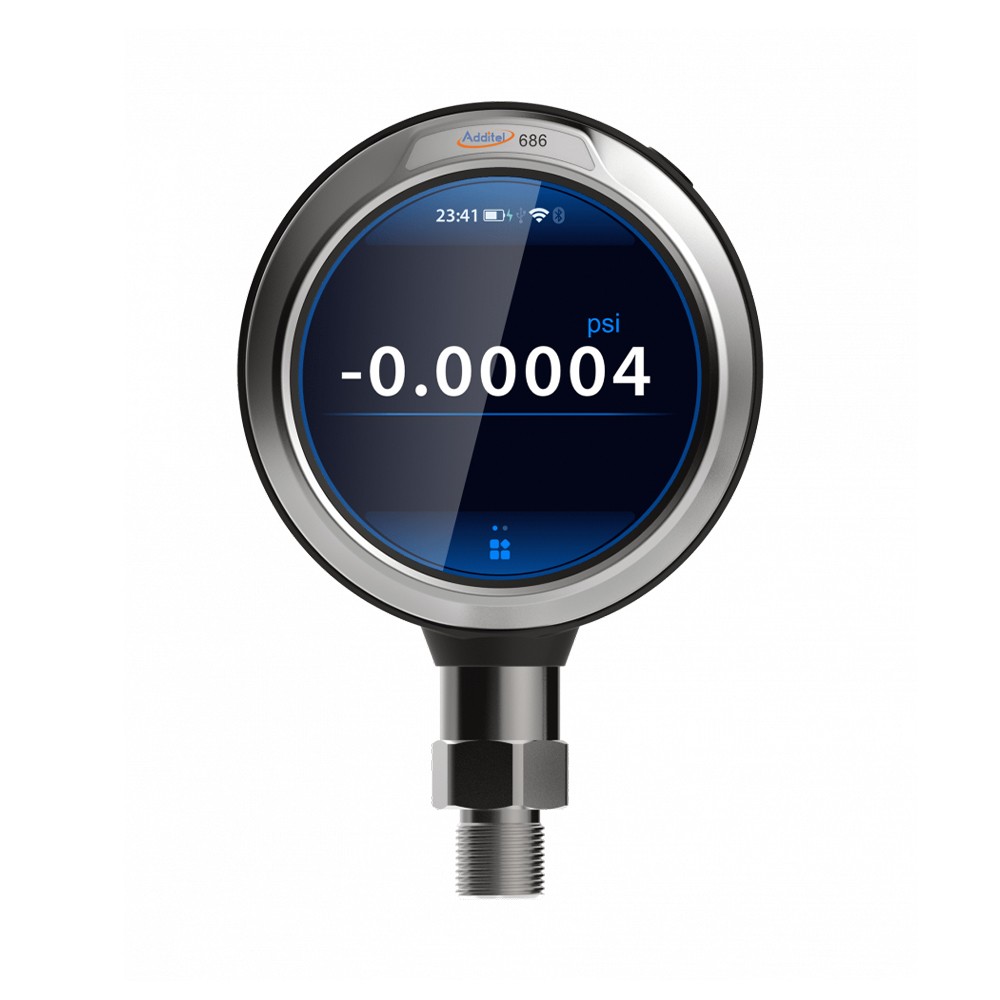
- Additel ADT686: advanced touchscreen digital pressure gauge calibrator - pressure from vacuum up to 4,200 bar, gauge and absolute; - optional datalogger for recording and leak tests; - an advanced instrument suitable for a wide range of applications.
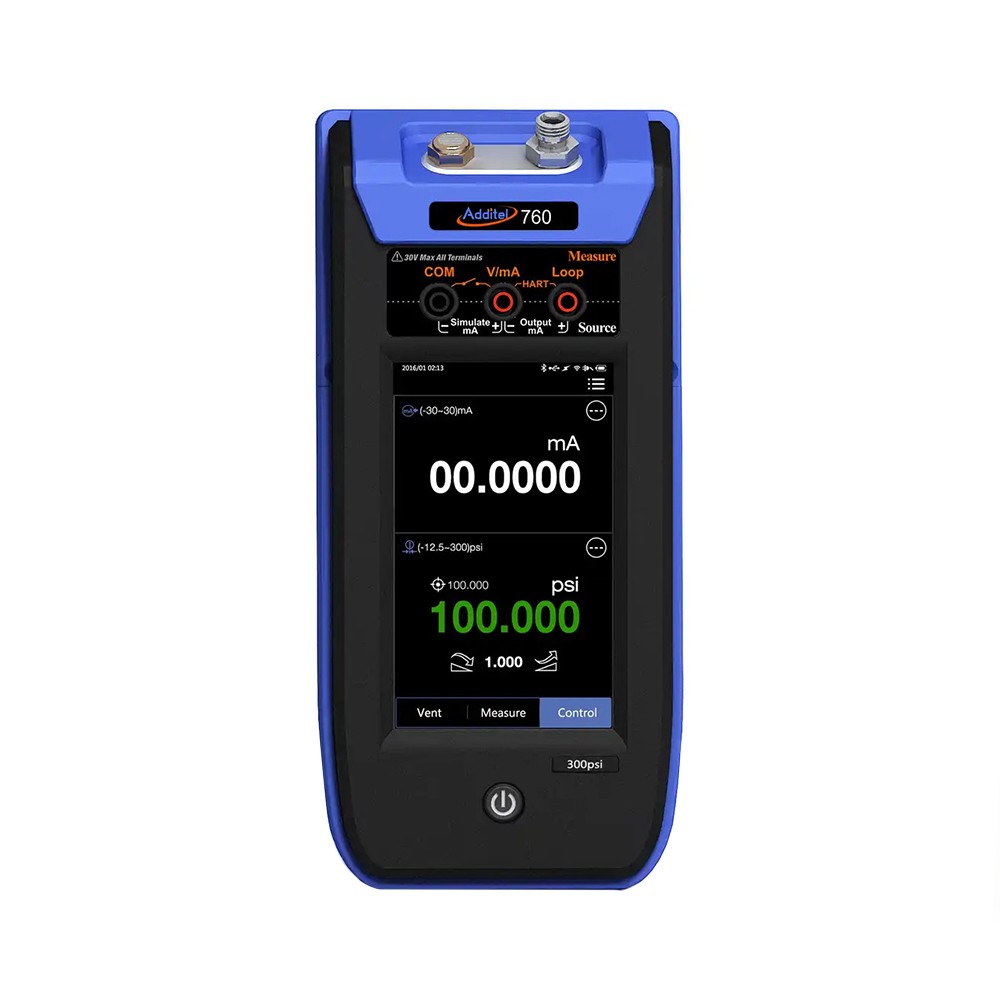
- Additel ADT760: handheld automatic pressure calibrator, pressure from –0.86 to 20 bar
- Additel ADT761A: series of automated pressure calibrators with pressure up to 100 bar
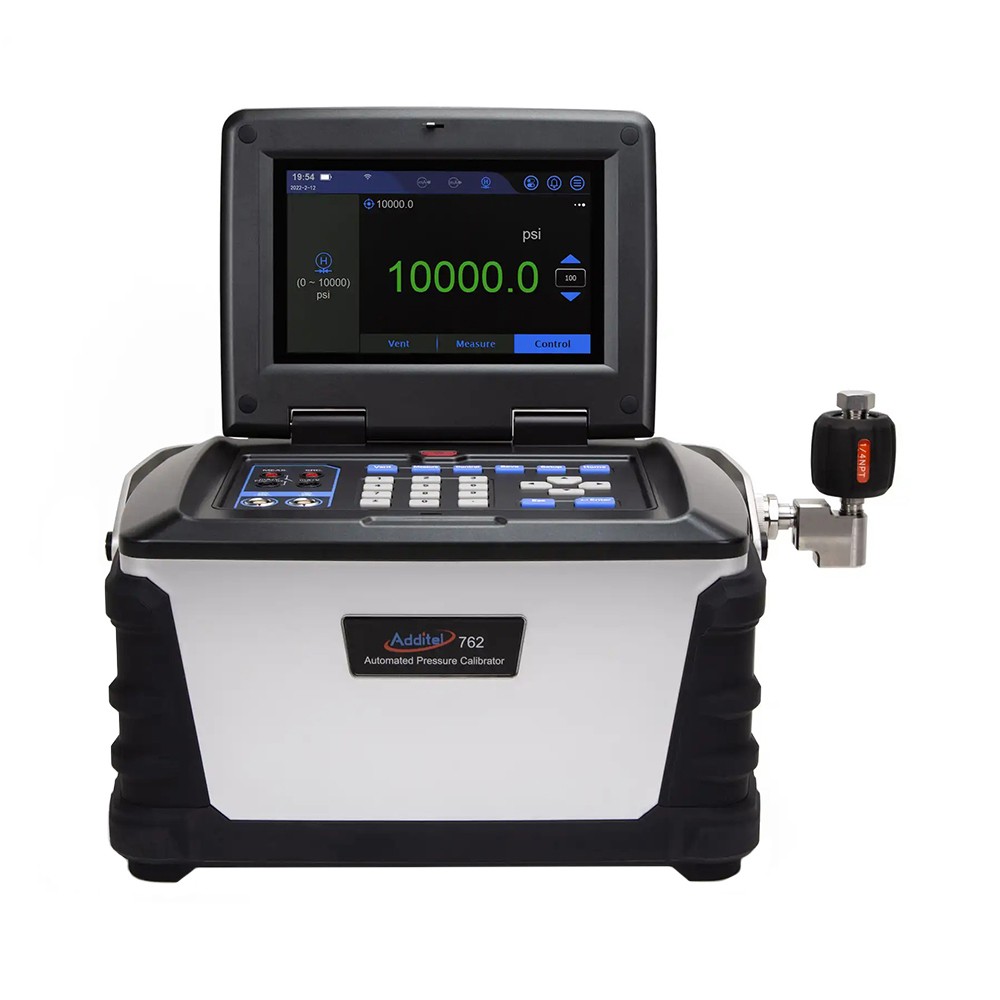
- Additel ADT762: automatic hydraulic pressure calibrator up to 1000 bar
The ADT760, ADT761A and ADT762 instruments are ideal for both laboratory and on-site use. They ensure automated calibration procedures, reduced manual errors and full digital traceability thanks to automatic reporting.
E Instruments solutions for temperature
Calibration of temperature measuring instruments is equally essential, as temperature affects a vast number of processes and even small inaccuracies can lead to waste, inefficiencies or compliance issues. Typical contexts include furnaces, dryers, climatic chambers, refrigeration systems, research and development environments.
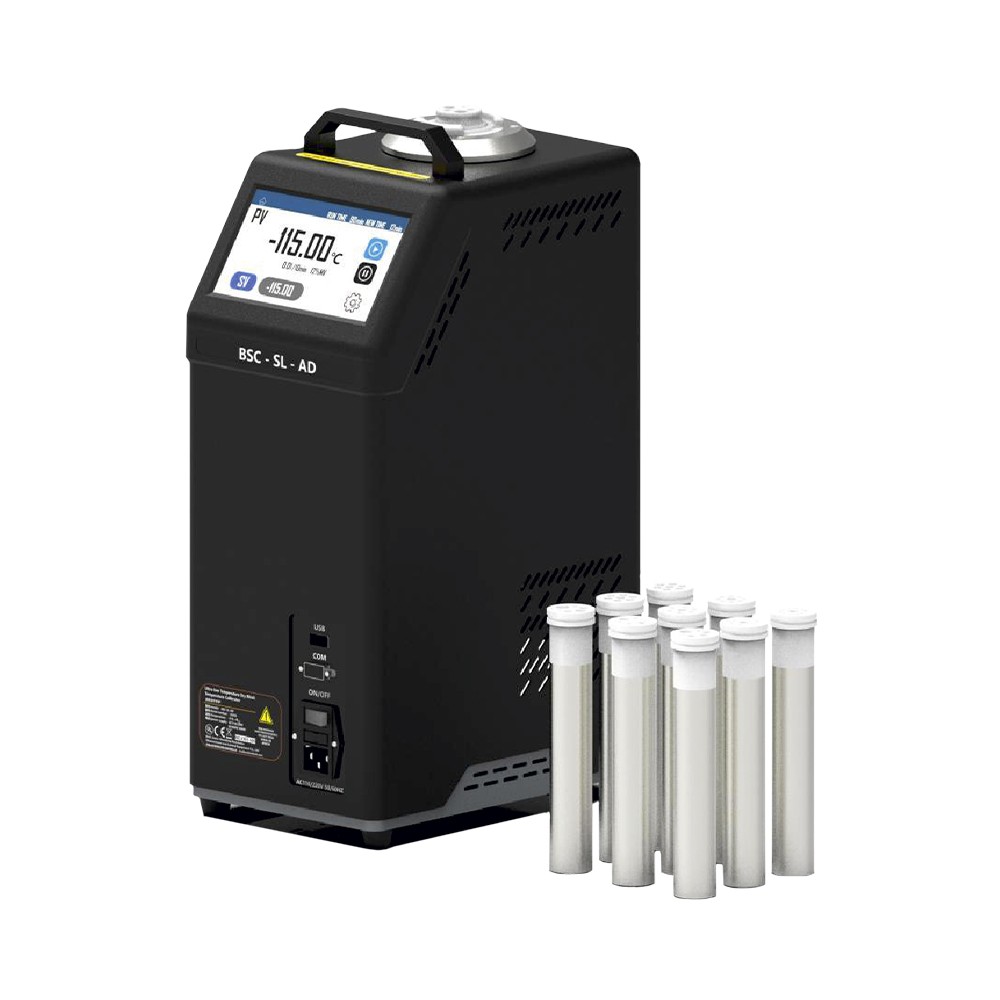
- BSC-115: portable dry block calibrator
- fast: 45 minutes to stabilise at –115°C;
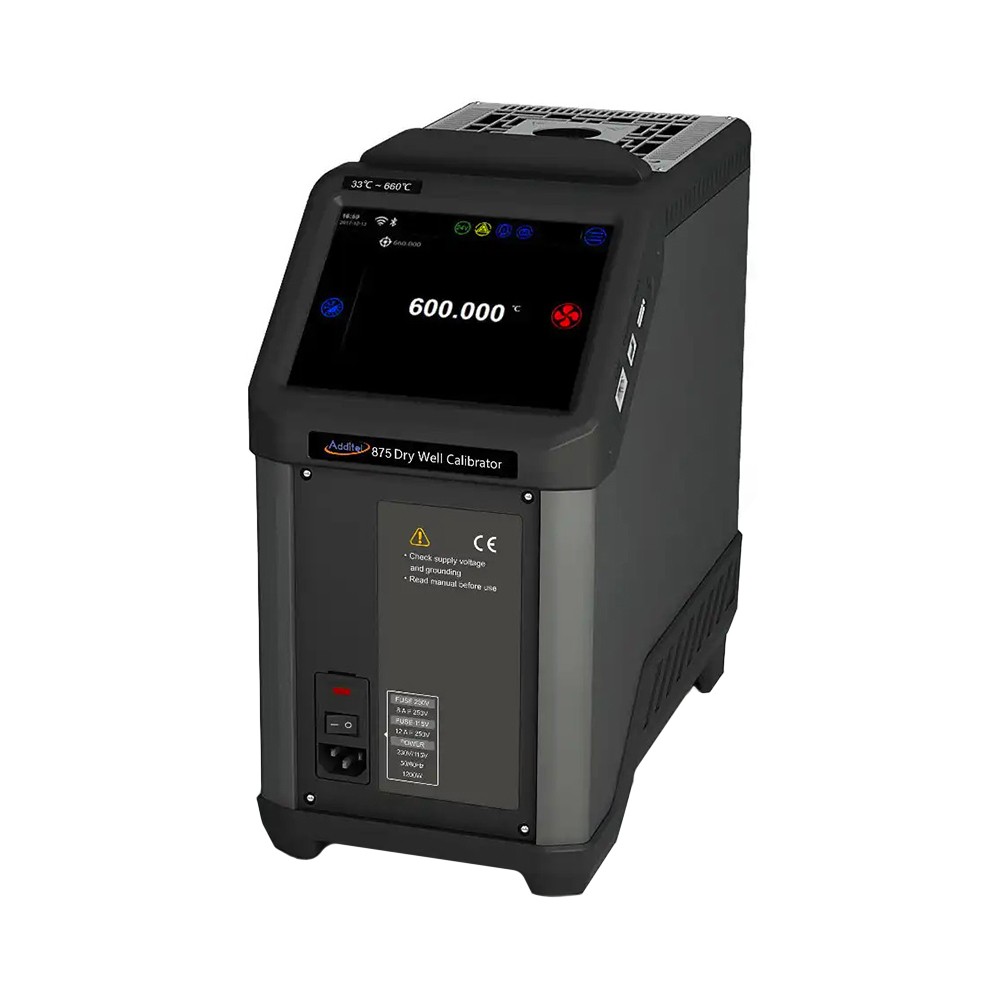
- ideal for low-temperature calibrations in pharmaceutical environments. - Additel ADT875: dry block calibrator
- process instrument for calibrations from –40°C to 1210°C;
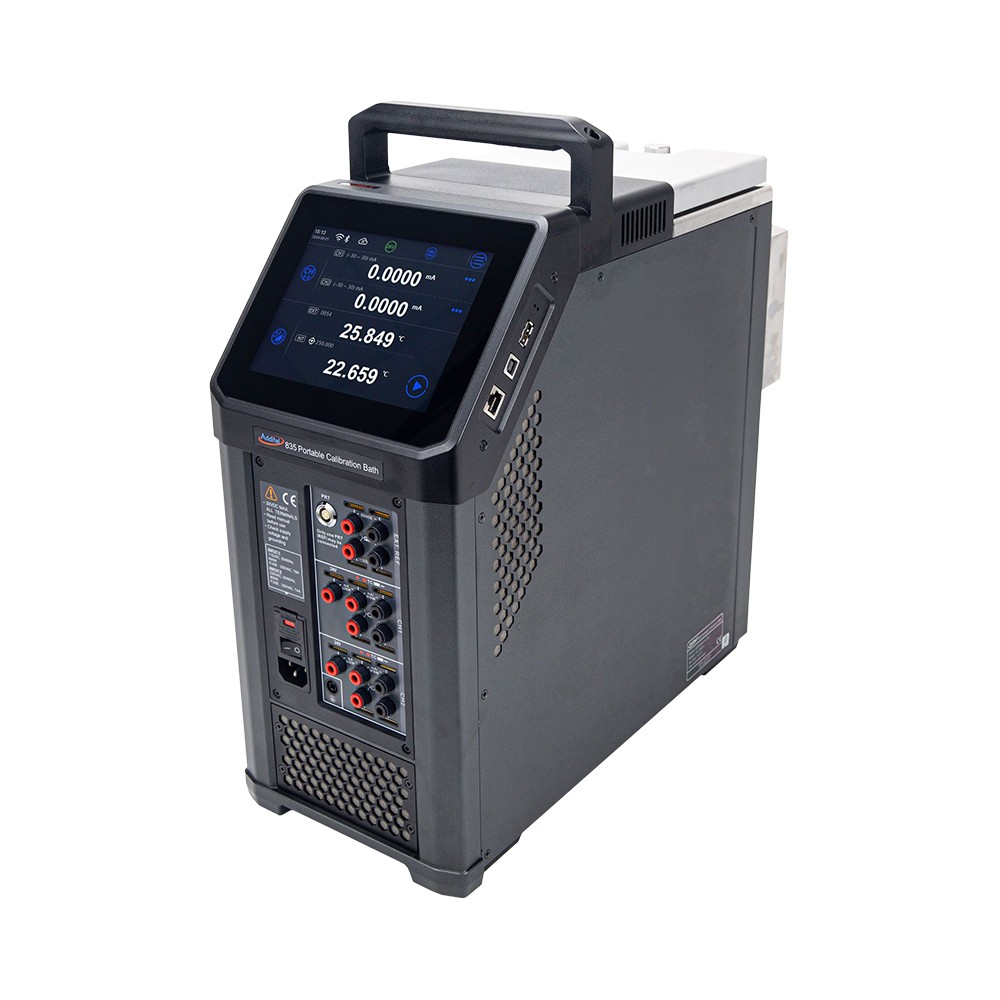
- suitable for laboratories or industrial plants of any kind. - Additel ADT835: portable calibration bath
- liquid insert (calibration bath) from –30°C to 250°C;
- designed for field use: allows calibration of a high number of probes and sensors simultaneously with high accuracy and stability.
E Instruments solutions for electrical signals
Process electrical signals also require regular calibration: transmitters, industrial communication devices, HART communicators and automation instruments must be verified to ensure that transmitted and received signals are accurate. Errors in these instruments can compromise the entire process control system and the safety of the plant.
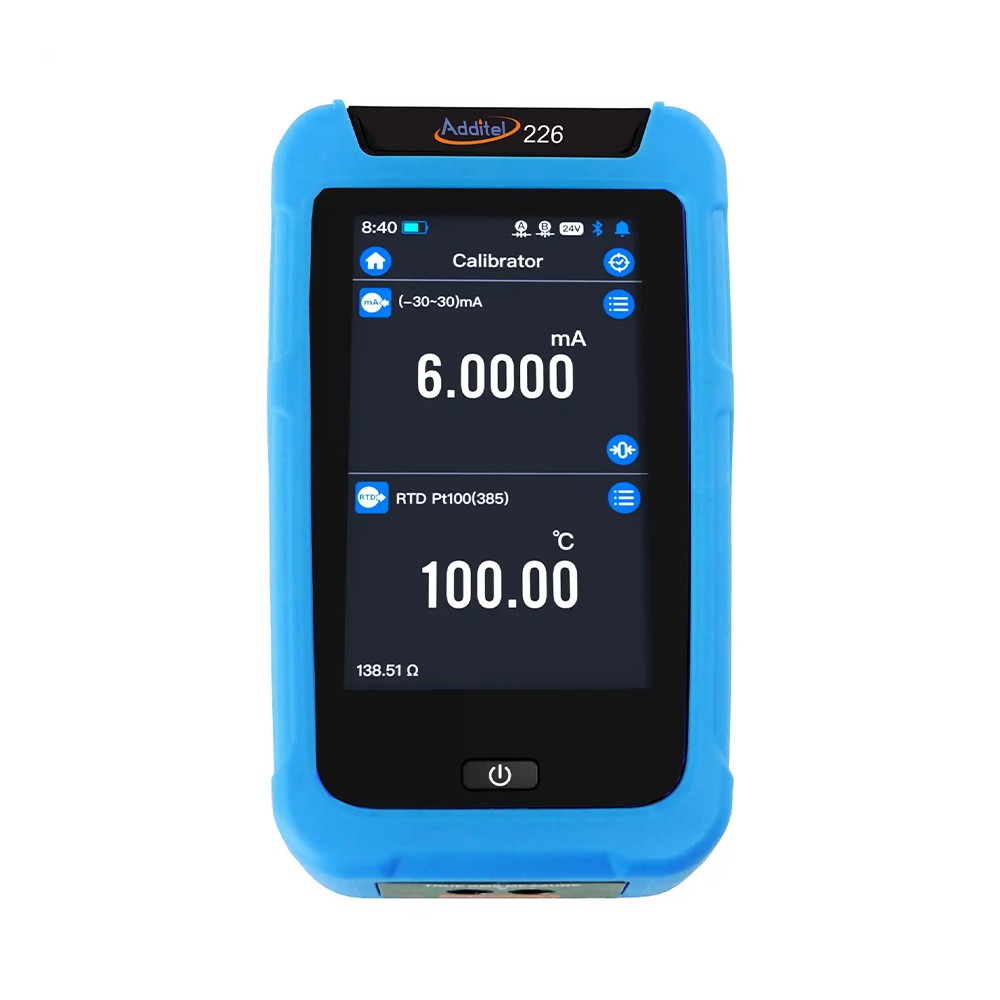
- Additel ADT226: multifunction process calibrator
- generation, simulation and measurement of electrical signals;
- built-in barometer;
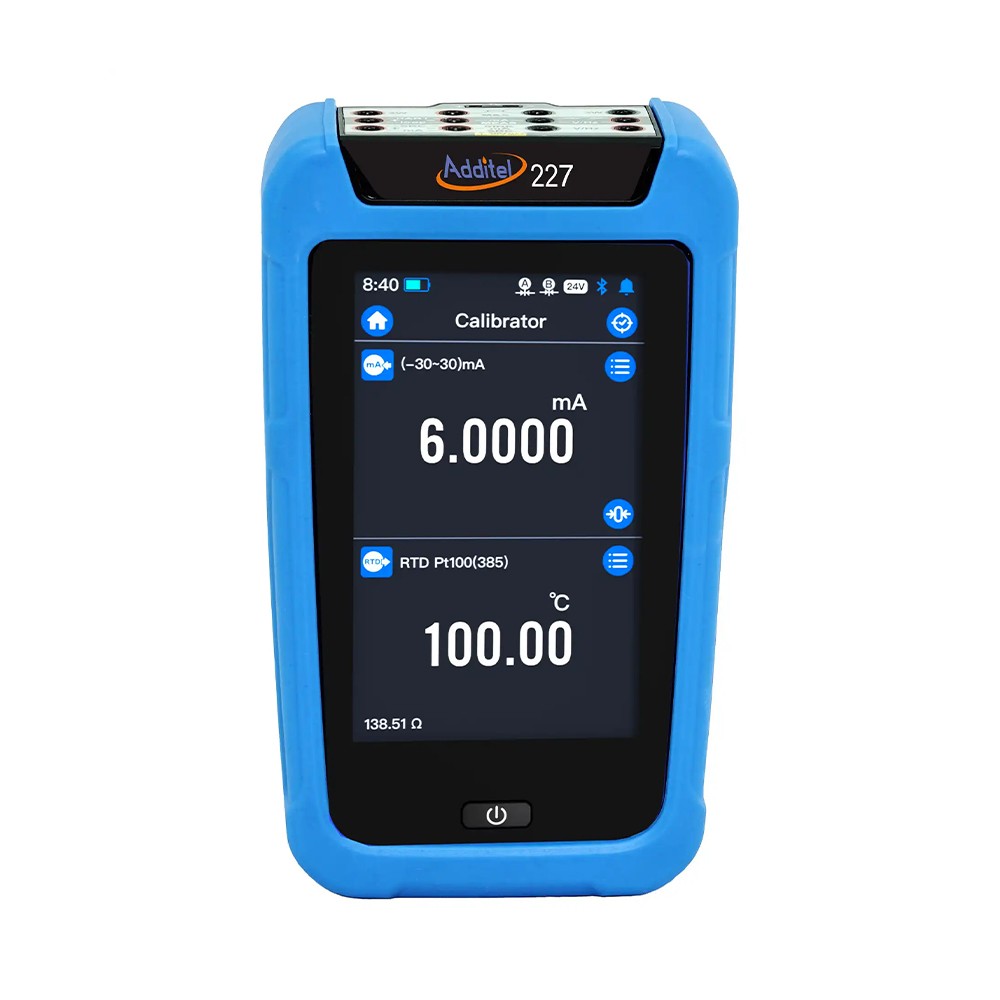
- suitable for single-point calibration of transmitters and analogue components. - Additel ADT227: multifunction process calibrator
- generation, simulation and measurement of electrical signals;
- model with integrated HART communication;
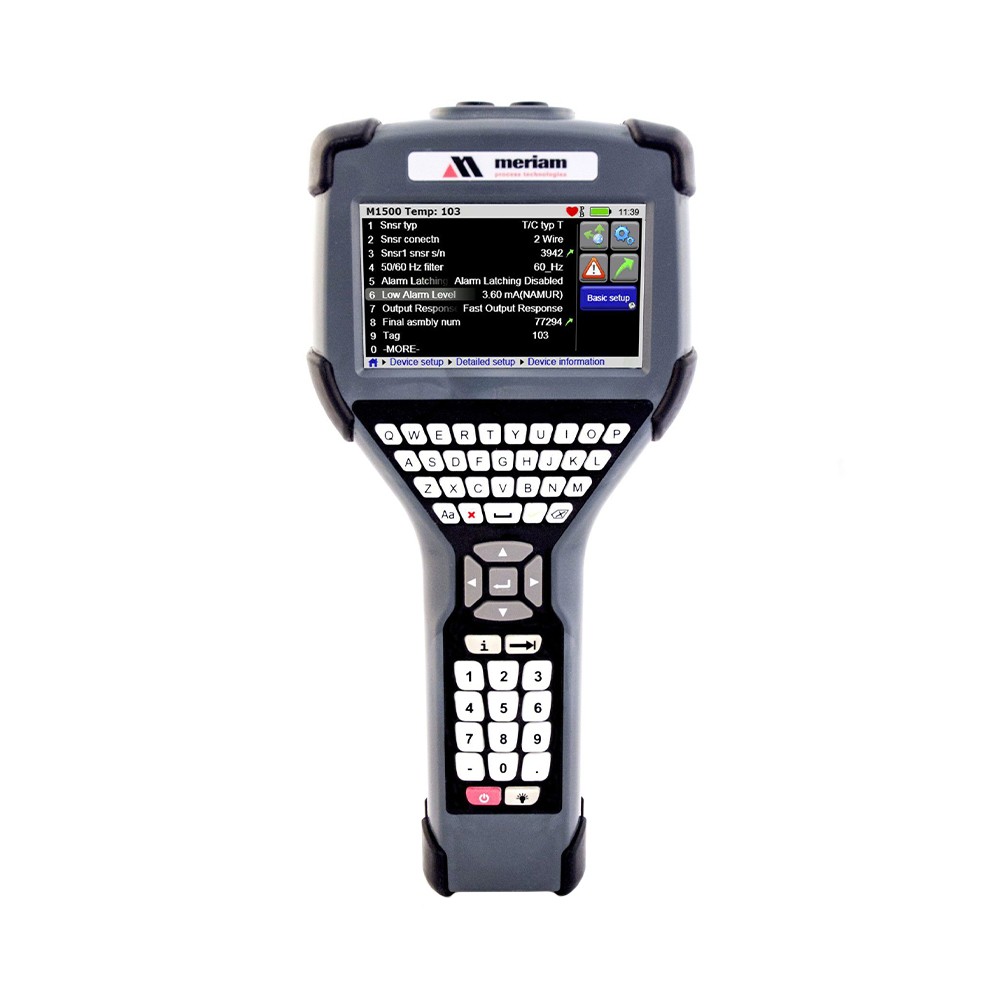
- enables automatic calibrations and datalogging with pre-compiled reports. - Meriam MFC5150X: ATEX HART communicator
- programming and interface instrument;
- suitable for Oil & Gas, production plants and ATEX zones;
- ensures fast interfacing with all major brands on the market.
How measuring instrument calibration is performed
Calibration of measuring instruments is a structured technical process that verifies the accuracy of an instrument by comparing it with a recognised, stable reference standard. Although procedures may vary depending on the physical quantity being measured (pressure, temperature, electrical signals), the underlying principle always remains the same.
The first step consists of comparing the value indicated by the instrument with the value generated by the reference standard. This phase makes it possible to detect any deviation from the actual value, determining the instrument’s associated error.
When the difference exceeds acceptable limits, the instrument is adjusted or aligned, bringing its response back within the required specifications. This ensures that measurements remain reliable and repeatable over time.
Once any adjustment is completed, a final tolerance check is performed to confirm the instrument’s compliance with the defined technical requirements.
The process concludes with the issuance of the calibration certificate, a traceable document that reports the measured values, the detected deviation, the procedure used and the reference standards employed. Documented traceability is a key element for audits, internal controls, process quality and regulatory compliance. In this way, calibration becomes a strategic activity not only for ensuring metrological precision, but also for guaranteeing operational continuity, safety and reliability in any industrial context.
How often calibration should be performed
The frequency at which measuring instruments should be calibrated cannot be universally defined, as it depends on a range of operational and technical variables. Each instrument has specific characteristics that influence its long-term stability and the rate at which it may experience drift or loss of accuracy.
The main factors that determine calibration intervals include:
- Type of instrument
Pressure sensors, thermometers, electrical instruments and process meters behave differently over time; some instruments are inherently more stable, while others require more frequent checks. - Intensity of use
An instrument used daily in production is subject to greater wear and stress than one used only occasionally; continuous use accelerates the need for verification. - Operating conditions
Harsh environments — such as high temperatures, vibrations, high humidity, dirt or extreme pressures — increase the likelihood of instrument drift. - Industry regulations
In regulated sectors (pharmaceutical, food, energy, research), calibration frequency is often defined by international standards, internal guidelines or ISO procedures.
As a general rule, an effective maintenance plan includes calibration at least once a year, with shorter intervals for critical instruments or those exposed to severe conditions. Performing calibration at regular intervals helps prevent anomalies, ensure operational continuity and maintain instruments that are always reliable and compliant.
Best practices for keeping instruments reliable and certified
In addition to periodic calibration, the everyday management of instruments plays a crucial role in keeping them accurate, safe and compliant with quality standards. Adopting a few simple best practices helps reduce errors, extend the useful life of devices and improve process efficiency.
Recommended activities include:
- Proper storage
Storing instruments in protected environments, with controlled temperatures and away from impacts or contamination, helps preserve their stability and integrity. - Quick internal checks
Periodic tests using reference instruments or functional checks allow early detection of potential anomalies and enable corrective actions before they affect the process. - Recording measurements
Regularly documenting the results of internal checks and official calibrations improves traceability and supports audits or quality inspections. - Certificate management
Properly archiving calibration certificates—preferably in digital format—allows immediate retrieval of information and simplifies regulatory compliance.
By adopting these best practices, companies can ensure instruments that consistently perform well and production processes that are safer, more efficient and more reliable.
Calibration as a strategic investment for quality and safety
The calibration of measuring instruments is not merely a technical requirement but a strategic activity that supports process reliability, final product quality and plant safety. Uncalibrated instruments generate errors, inefficiencies, waste and operational risks that can compromise production continuity and regulatory compliance.
Conversely, a structured calibration management system enables companies to work with reliable values, traceable measurements and fully controlled processes. Periodic verification, combined with good maintenance practices and proper certificate management, ensures that instruments remain high-performing and compliant with the standards required across different industrial sectors.
From pressure to temperature, from electrical signals to process controls, every measured variable requires precision and continuity. Investing in calibration therefore means improving operational reliability, reducing waste and downtime, enhancing safety and fostering a company culture oriented towards metrological quality.
In a context where digitisation, predictive maintenance and safety are becoming increasingly central, keeping measuring instruments certified and properly calibrated is a fundamental step to ensuring long-term competitiveness, efficiency and sustainability.

Categories
Recent articles
-
 E Instruments at the A&T Vicenza 2026 Trade Fair: Measurement, Calibration, and Safety in Hall 7
-
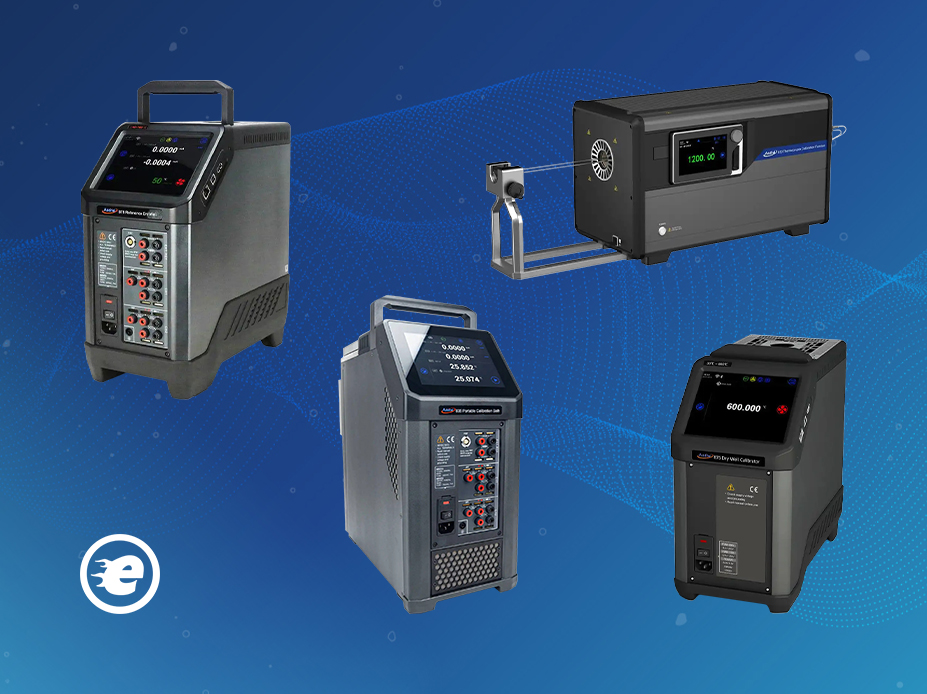 Additel dry-well temperature calibrators: the complete range for thermocouples and resistance thermometers
-
 Thermal imaging cameras and pyrometers for the plastics industry: applications, benefits, and solutions